SS Metapan sunk by a collision withthe SS Iowan; image from Popular Mechanics magazine published in 1915. Image placed on the Wikimedia by Pmcyclist
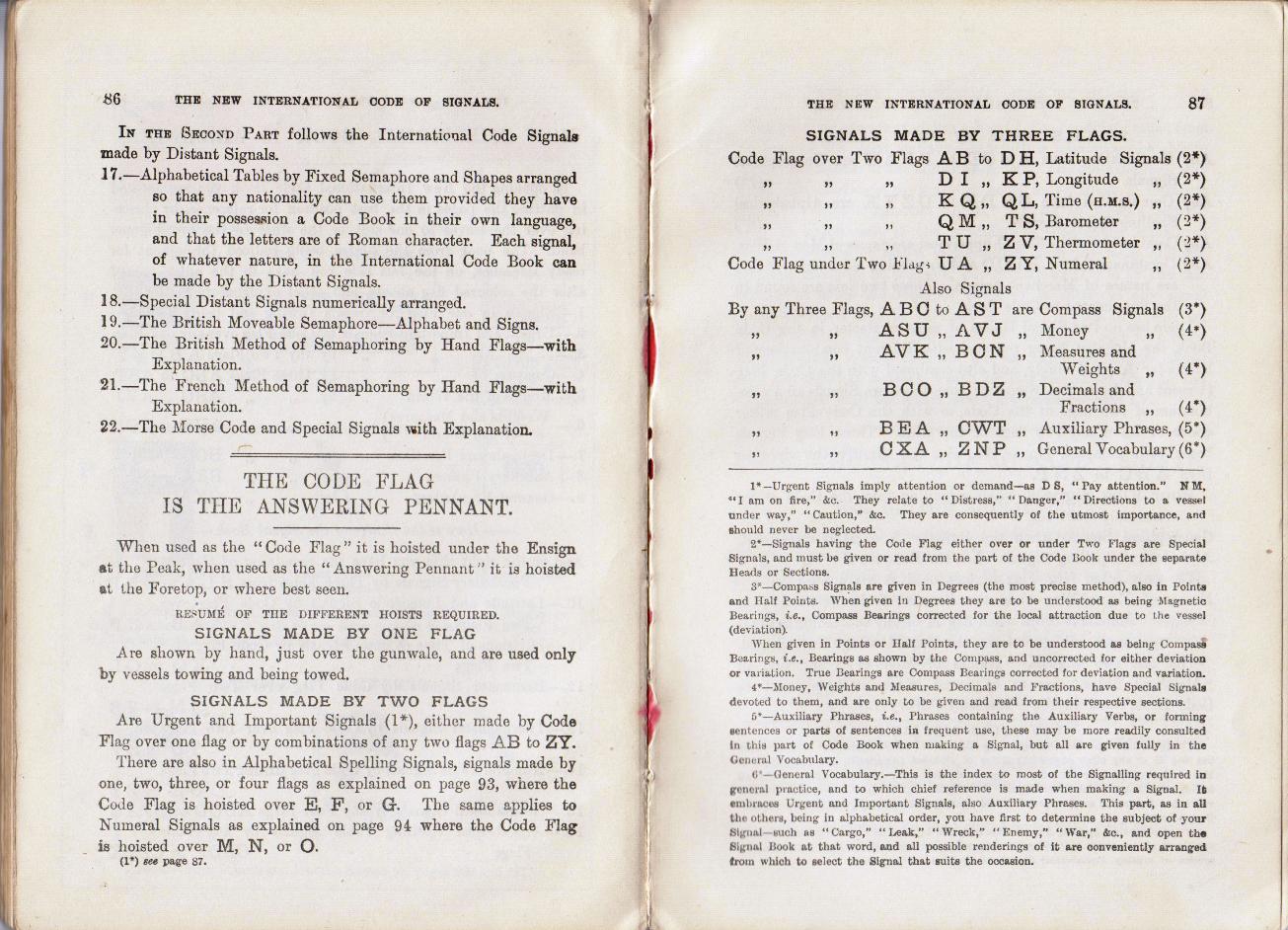
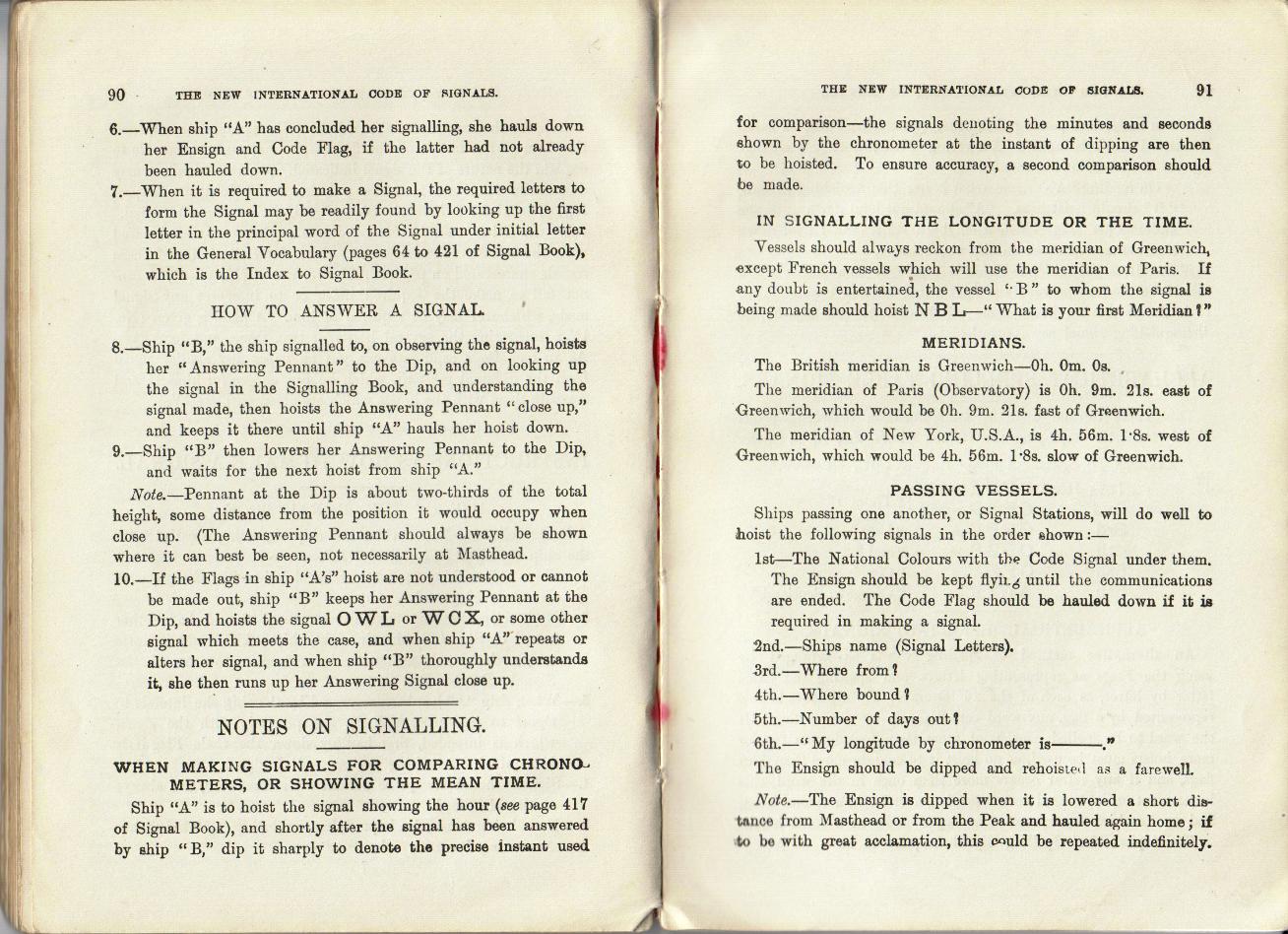
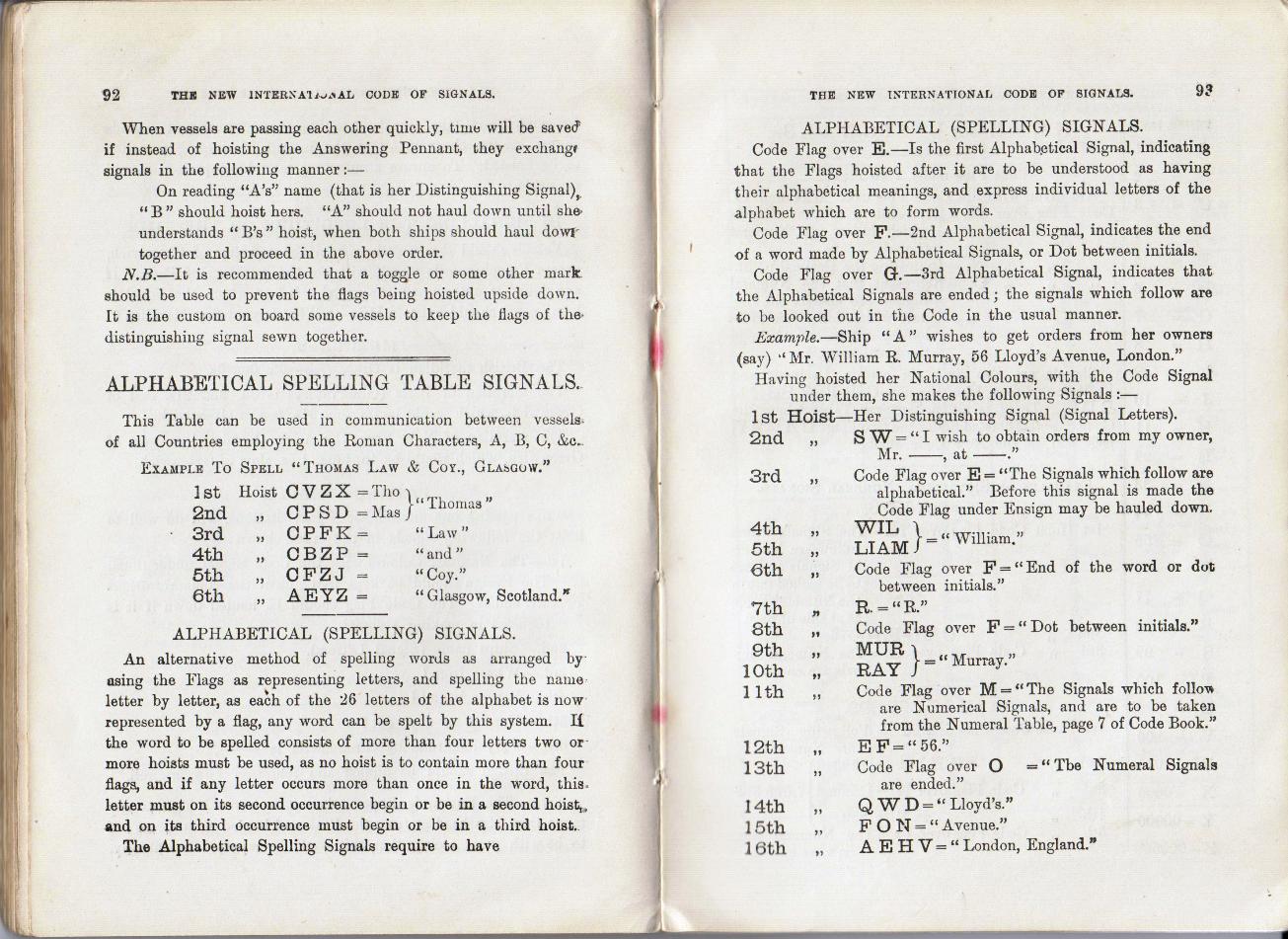
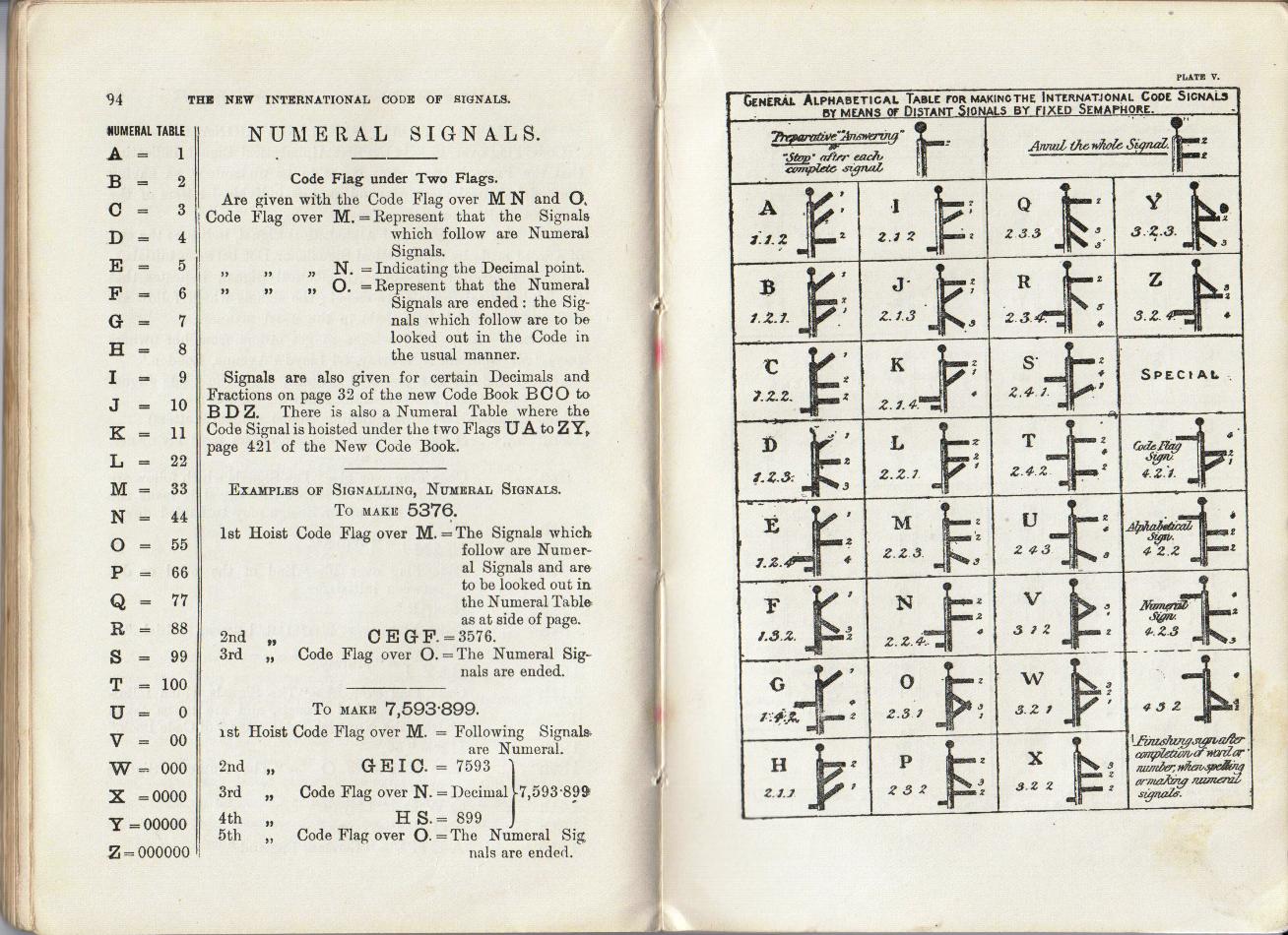
I found the following useful navigation rhymes in a book that Mike Smylie was kind enough to give me at the weekend – it previously belonged to his father. I’ve heard them before, notably from old Sam Larner, but haven’t seen them printed out. And as a bonus they came with some extra verses relating to sailing vessels.
The book is titled The Yachtsman’s Week End Book, written by John Irving and Douglas Service, and I think it’s a gem because of the way it opens a window into the different attitudes of the past. For example I particularly liked this quotation: ‘Four things shalt thou not see aboard a yacht for its comfort – a cow, a wheelbarrow, and umbrella and a naval officer.’
But back to the rhymes – they may be wrong in the current age, so please don’t take them as gospel. I can’t accept responsibility if you do!
Two steamships meeting:
When both lights you see ahead
Starboard wheel and show your red
Two steamships passing:
Green to green or red to red
Perfect safety, go ahead
Two steamships crossing:
If to your starboard red appear
It is your duty to keep clear
To act as judgement says is proper
To port or starboard, back or stop her
But when upon your port is seen
A steamer’s starboard light of green
There’s not much for you to do
For green to port keeps clear of you
However, all ships must keep a look-out and steamships must stop and go astern if necessary:
Both in safety and in doubt
Always keep a good look-out
In danger with no room to turn
Ease her, stop her, go astern
But these rules don’t work so well for sailing vessels. Instead, the following rhyme is proposed:
Now those four rules we all must note
Are no use in a sailing boat
As we’re dependent on the wind
Another set of rules we find
A close-hauled ship you’ll never see
Give way to one that’s running free
It’s easier running free to steer
And that’s the reason she keeps clear
With the wind the same side, running free
One’s to windward, one to lee
The leeward ship goes straight ahead
The other alters course instead
Both close-hauled or both quite free
On different tacks we all agree
The ship that has the wind to port
Must keep well clear, is what we’re taught
At other times the altering craft
Is the one that has the wind right aft