Tait’s Seamanship, 1913, part I, or how to sail a ship

[ad name=”intheboatshed-post”]
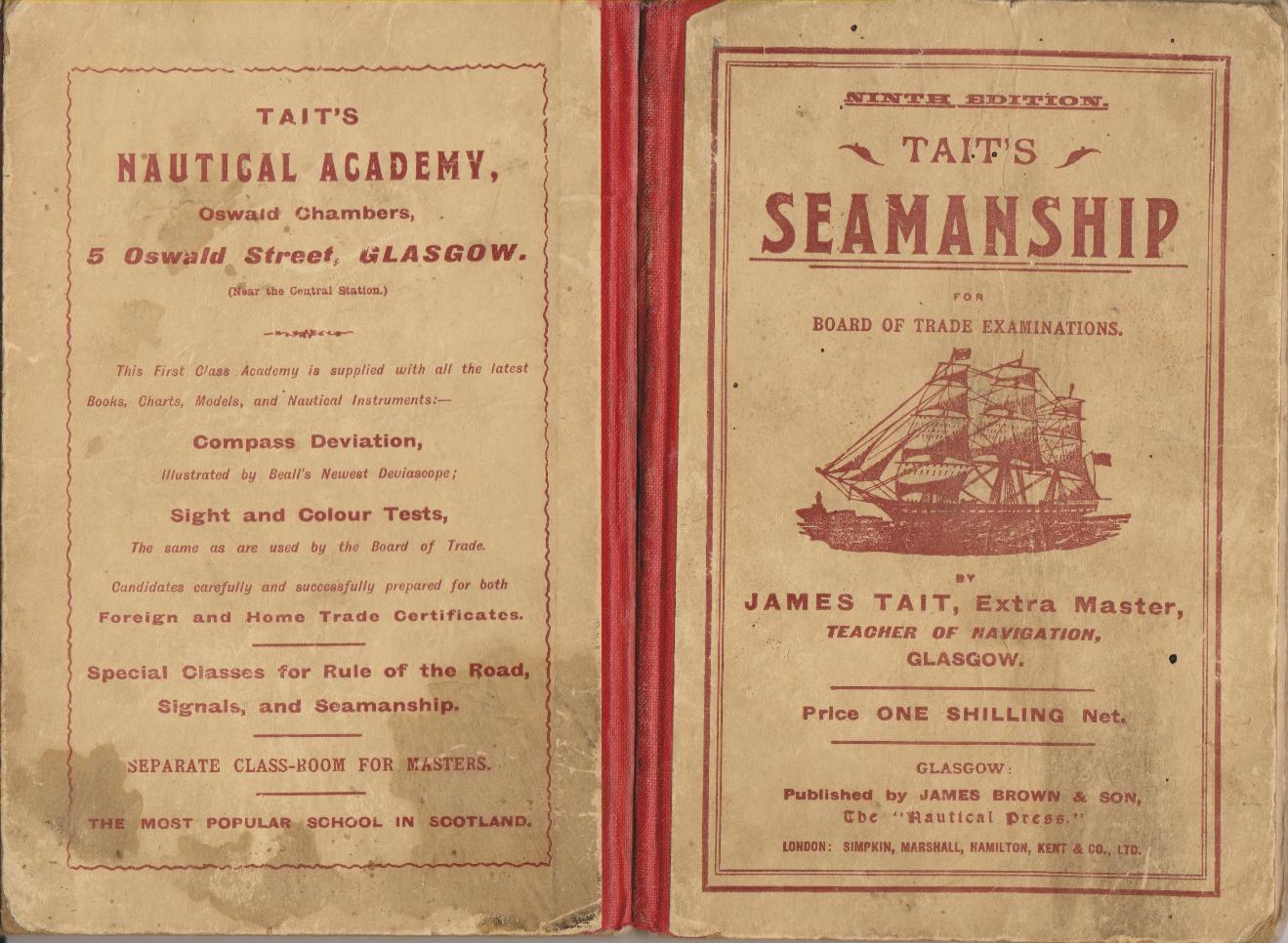
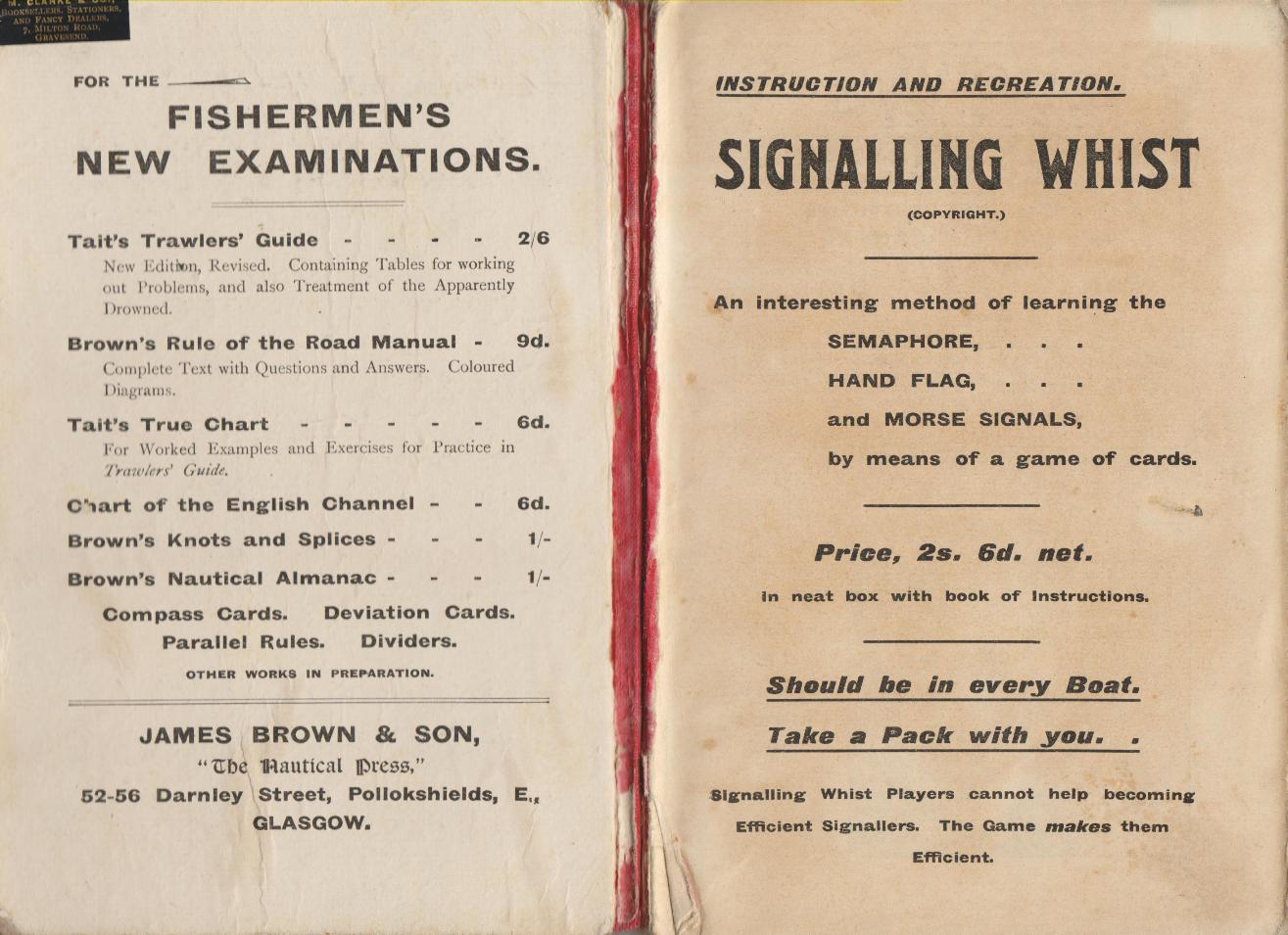
Tait's Seamanship 1913 Cover

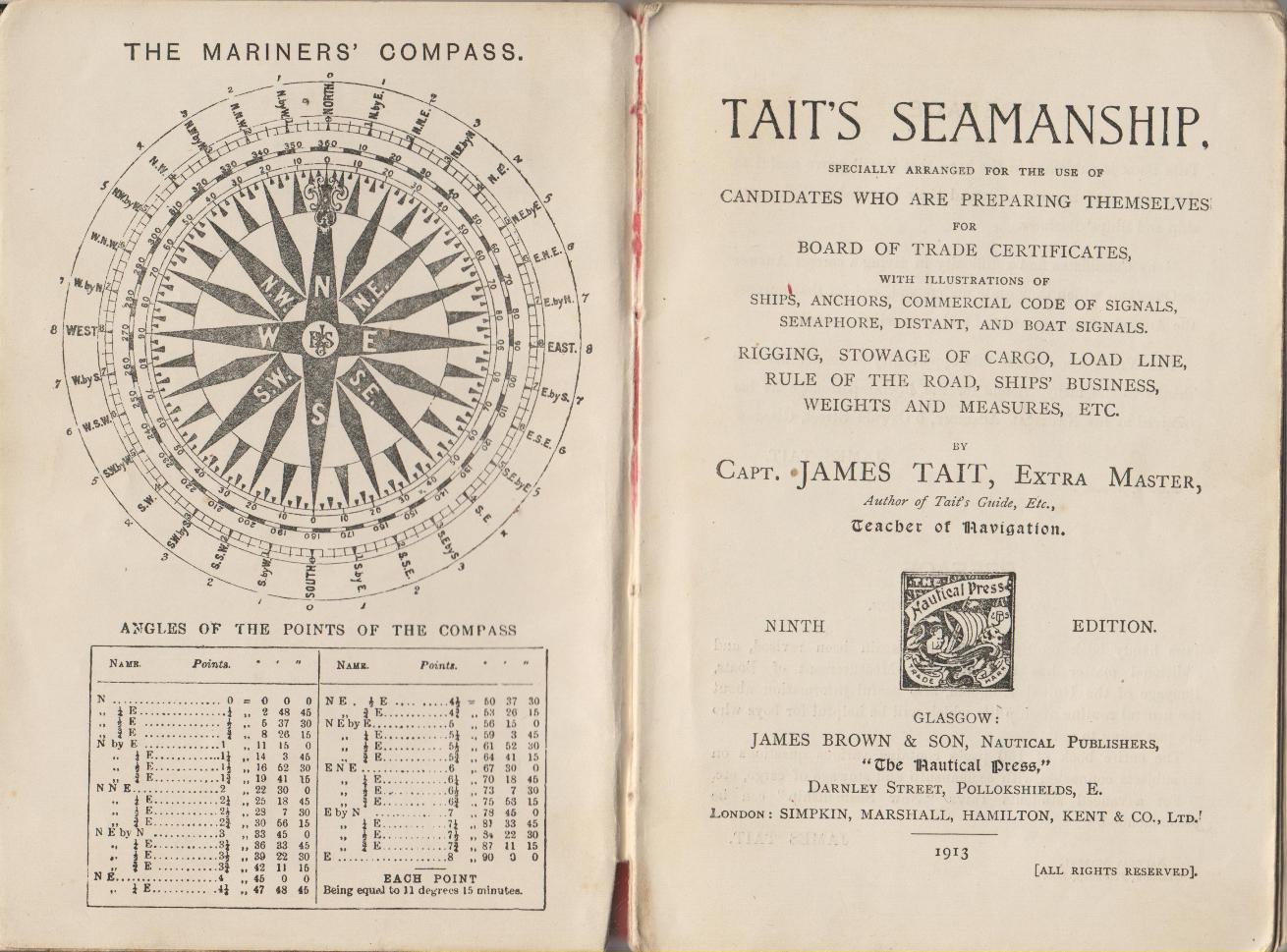
Tait's Seamanship 1913 Cover adverts 1 Tait's Seamanship 1913 adverts 2 Tait's Seamanship 1913 Compass and frontispiece

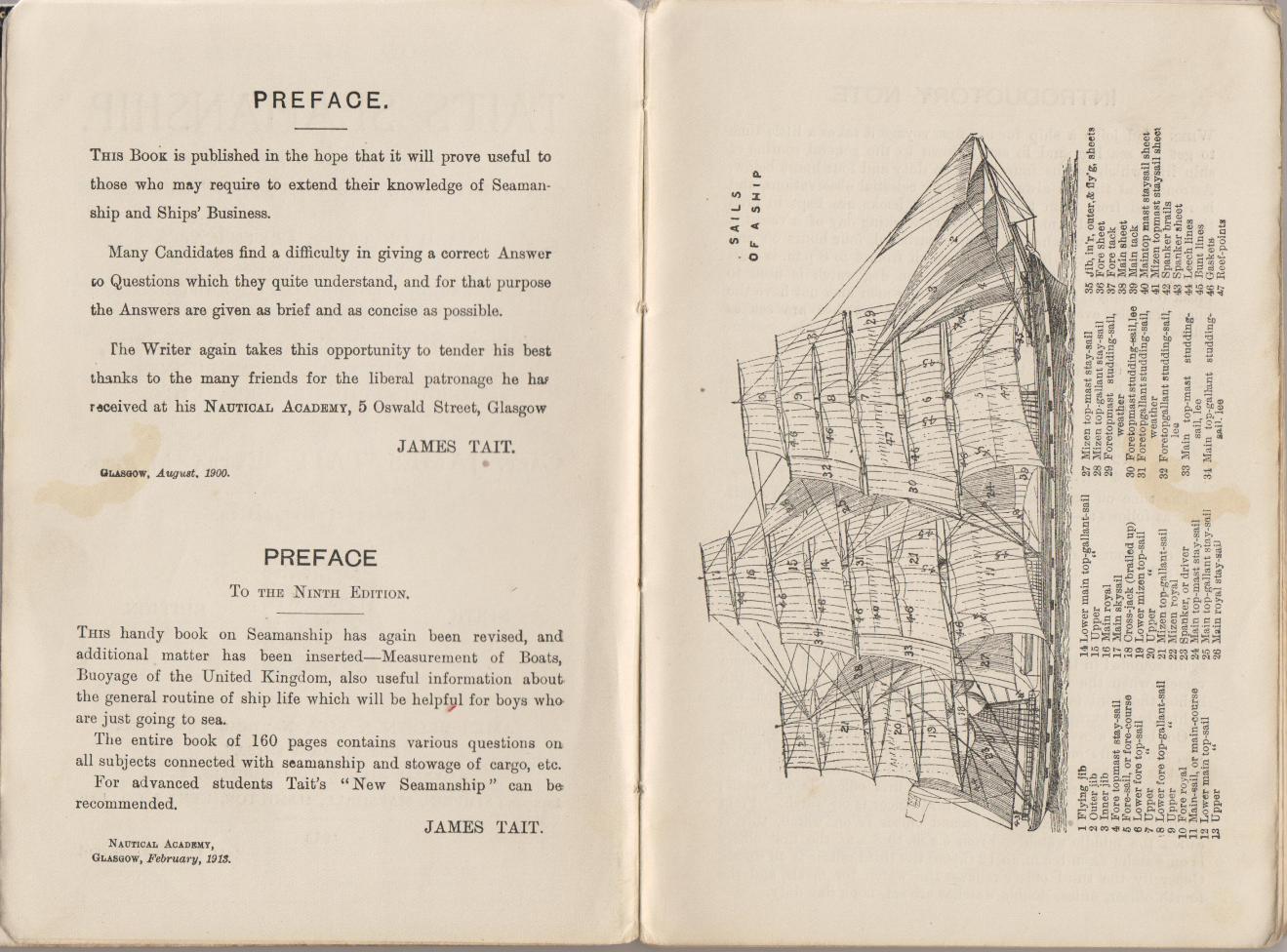
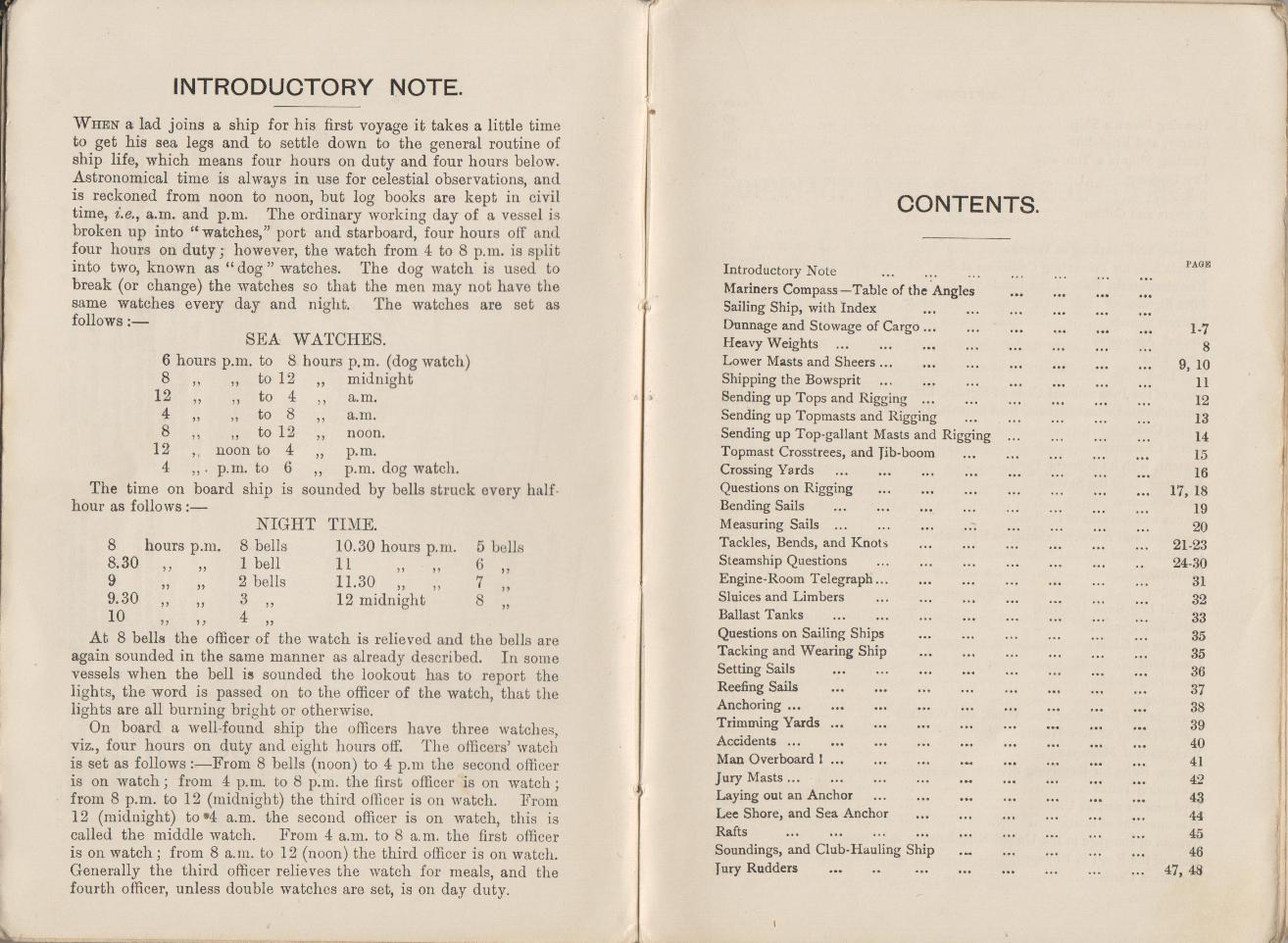
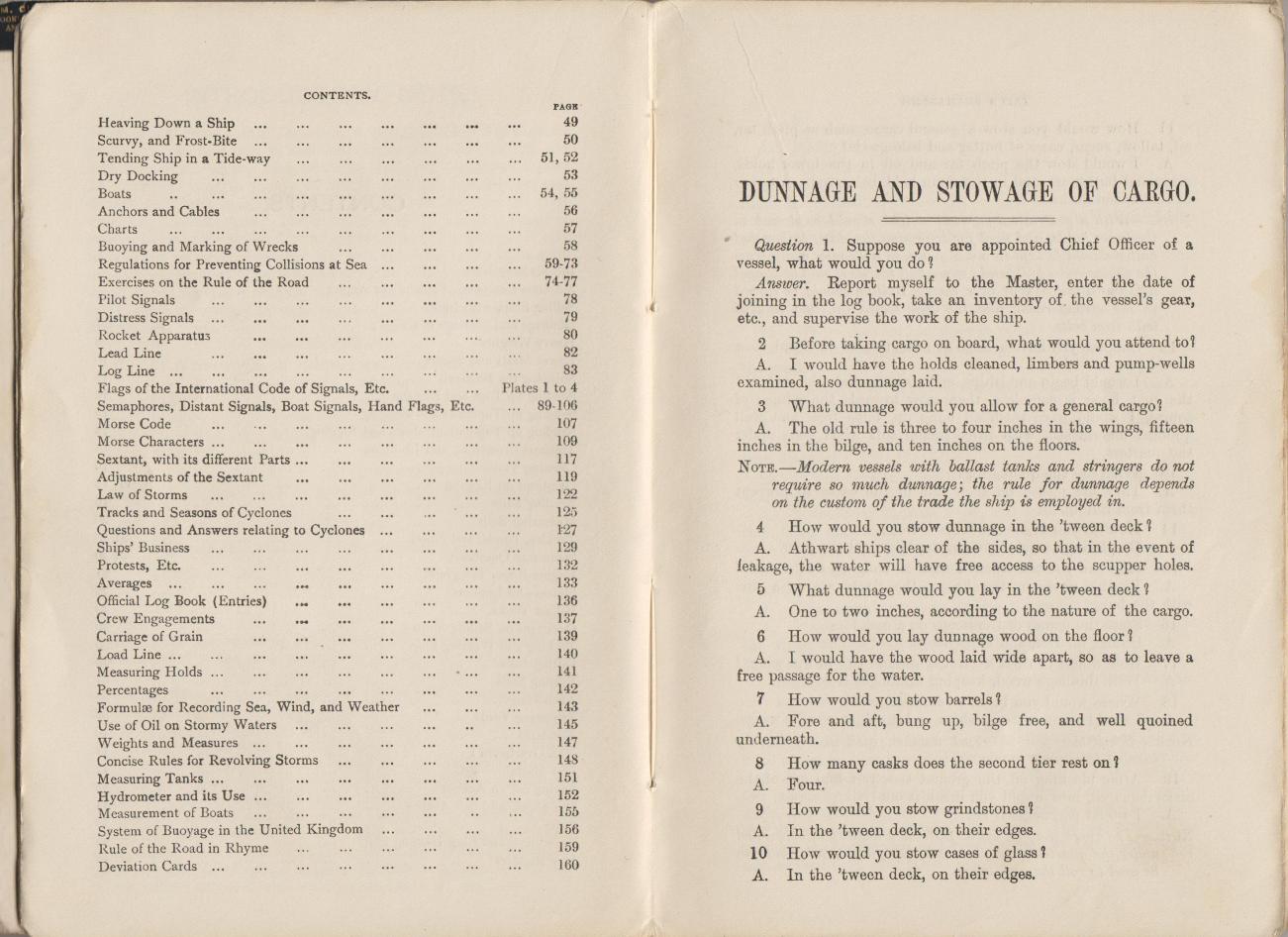
Tait's Seamanship 1913 preface Tait's Seamanship 1913 Introductory note and contents Tait's Seamanship 1913  contents

I’ve often wondered what ‘seamanship’ really is and who, if anyone, has the definitive article in their posession.

It’s not that I don’t understand or approve of the aims of seamanship – it’s about keep lives safe and protecting boats from harm while successfully travelling on the water. But, like the proverbial skinners of cats,  boat users all have their own methods, and there seems to be at least as many forms of correct seamanship as there are sailors.

Whatever sea-related activity you care to name, someone somewhere does it differently and will tell you all about it in a very firm and authoritative way – in the club bar, online or, sometimes, even on our own boats.

So I thought it might be fun and informative (and hopefully uncontroversial) to consider what seamanship was thought to be a century or so ago. So here are the cover and first few pages of Tait’s Seamanship, a splendid little document produced by a Glasgow maritime educational establishment whose principals had the good sense to provide courses for masters discreetly in a separate room.

I hope you enjoy the scans – as usual, click on the images for much larger, easily readable images.

The Life-boat and its Work, a history from 1911 – part III

[ad name=”intheboatshed-post”]
lifeboat, newquay, book, lifeboat institution, history

Heroes all: the Newquay lifeboat crew on the occasion of a Royal visit in June 1909.

‘A site was chosen in the hollow, a Life-Boat house built, and a concrete slipway constructed in order that the boat might be launched into deep water within easy reach of the open sea and command the whole bay… When required the boat is brought to the edge, and the crew, having donned their oilies and “Kapok” life-belts, climb in and take their places. The masts are stepped, and, at the word of command, she is released, shoots down the slipway and dashes into the sea in a cloud of spray.’

lifeboat, newquay, book, lifeboat institution, history lifeboat, newquay, book, lifeboat institution, history lifeboat, newquay, book, lifeboat institution, history

lifeboat history lifeboat, newquay, book, lifeboat institution, history

lifeboat, newquay, book, lifeboat institution, history

lifeboat, newquay, book, lifeboat institution, history lifeboat, newquay, book, lifeboat institution, history

lifeboat, newquay, book, lifeboat institution, history lifeboat, newquay, book, lifeboat institution, history lifeboat, newquay, book, lifeboat institution, history

lifeboat, newquay, book, lifeboat institution, history lifeboat, newquay, book, lifeboat institution, history lifeboat, newquay, book, lifeboat institution, history

lifeboat, newquay, book, lifeboat institution, history lifeboat, newquay, book, lifeboat institution, history lifeboat, newquay, book, lifeboat institution, history

lifeboat, newquay, book, lifeboat institution, history lifeboat, newquay, book, lifeboat institution, history

lifeboat, newquay, book, lifeboat institution, history

To see the rest of this series:

The Life-boat and its Work, a history from 1911 – part I

The Life-boat and its Work, a history from 1911 – part II

The Life-boat and its Work, a history from 1911 – part III

Also, Ed Bachman has collated these individual pages into two pdf files. Thanks Ed!

The Lifeboat pdf part I

The Lifeboat pdf part II

F B Cooke’s In Coastal Waters

[ad name=”intheboatshed-post”]
In Tidal Waters

In Coastal Waters includes some stirring illustrations by C Fleming Williams

F B Cooke wrote some interesting and entertaining and evidently popular books about the pastime of yachting in the early part of the last century – click here for some earlier posts about his boats, his books and sailing.

In Tidal Waters is a collection of tales from his sailing youth in the later part of the 19th century and the early part of the 20th. I’m not entirely sure these stories should be  read by anyone who might be put off sailing – but if like me you’re already hooked and there’s no escape, they’re great fun.

A few sentences from his introduction will give you some idea of what’s to come in the book, and of his very democratic views on sailing as a suitable activity for young men.

‘Those whose ideas of yachting have been derived from lounging on the deck of a large steamer at Cowes during the Regatta Week, with an obsequious steward in attendance, will probably find little to interest them in these pages, as the cruises described were for the most part carried out in what the East Coast waterman usually terms ‘little old tore-outs’. The boats were certainly inexpensive, and in some cases not even seaworthy; but in the golden days of youth all our geese are swans, and I spent in them some of the happiest days of my life. It is not by any means the man with the longest purse who gets the most fun out of yachting, and no youngster with a fancy for the sea need be deterred from taking up the sport by any mistaken ideas as to its cost. The expense will be just as he likes to make it, for it is merely a question of cutting the coat according to the cloth.’

Click here for a fine read, thanks to the Canadian Libraries Internet Archives.

My thanks to reader Paul Mullings for pointing out this gem.

Don’t miss something good. Sign up below to start receiving the free weekly intheboatshed.net newsletter.