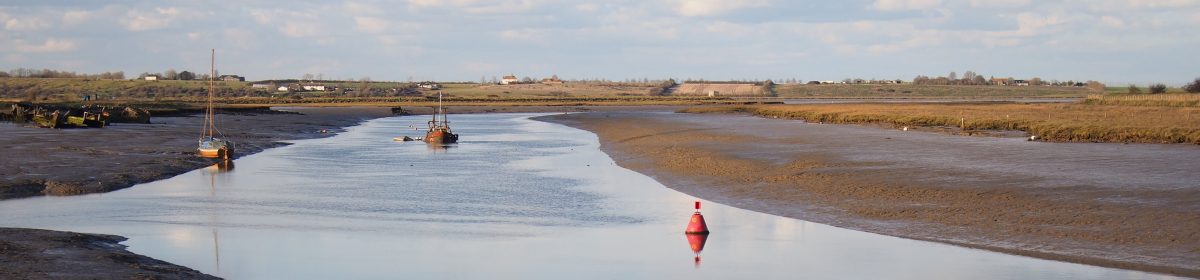
Novelist Sam Llewellyn’s other project, the unfailingly beautifully edited The Marine Quarterly, continues to impress, and I’m enjoying the new edition as much as I have each of the previous nine editions. I say it’s essential reading, and that a full set – if one could keep them together – would be an asset when waiting for the tide.
This issue includes an illuminating history of pilots and piloting by Tom Cunliffe, Ken Duxbury’s account of visiting his first Greek island aboard his Drascombe Lugger Lugworm, and an introduction to the story of pier-head painting by artist and illustrator Claudia Myatt.
In fact, if anything it gives me even greater pleasure because it includes a piece from Ben Crawshaw. Ben, as regular readers may remember, built one of my small boat designs, the Light Trow, and his book Catalan Castaway recounts his remarkable adventures. (See the ad at the top right of this weblog.)
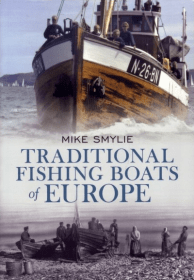
I’m also just beginning to read Mike Smylie’s latest book, Traditional Fishing Boats of Europe, which aims to tell the story of how the various types of fishing boats evolved over hundreds of years in line with the catches they were built to chase, the seas and climates in which they must work, and of course the cultural influences involved.
It’s a complicated story and clearly an important project, and I’ll be fascinated to find out just how he can cram all of that information between two covers! No doubt he can, though, because he’s done this kind of thing before and knows what he’s doing…

Jim Parnell’s Those Magnificent Men in Their Roy-Roy Canoes is clearly a must for anyone interested in the remarkable story of sailing in these little boats.
It’s really a historical record of the adventures of the three New Zealand canoeing Park brothers, George, William and James, who were active in the late 19th and early 20th Century, and includes material from their logs and from newspaper cuttings, and is written very much in the quite formal, slightly detached style of that era.
Still, the adventures they describe are quite something, and include crossing South Island (including a long portage, naturally) and crossing Cook Strait on a night with no moon. I needn’t mention how dangerous the Southern Ocean can be – but the Parks, particularly George Park, seem to have been indomitable.