[ad name=”intheboatshed-post”]

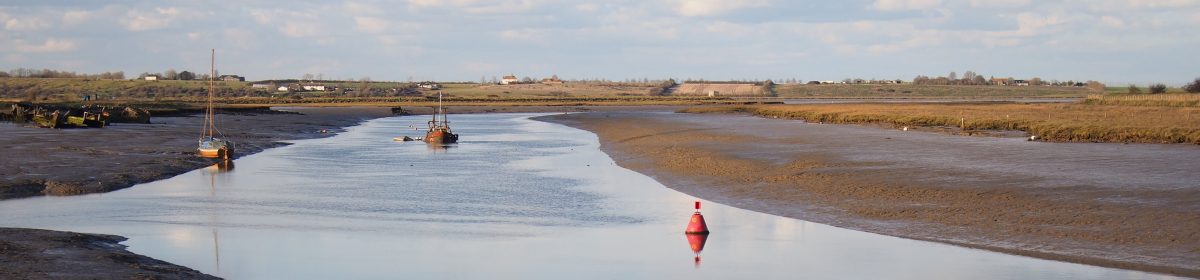
Mersea oyster smacks from Hervey Benham’s Last Stronghold of Sail
In The Last Stronghold of Sail, Hervey Benham writes in fine, persuasive style about sailing a smack:
‘In a comparatively few years, it will be impossible to experience at first hand the glory of a work-boat under sail, and the yachtsmen who really hear the message the sea has for them will look wistfully back at the old books and wonder what it all amounted to.
‘When I bought my eleven-ton Mersea smack Charlotte I did not know. I had at that time a pretty six-ton cutter built around the turn of the century at Cowes, as sweet a model as ever you saw but too small to be manly. I got sick of trailing my boom end in the water on a quartering breeze and felt the Charlotte would be fun to amble majestically about in. I pictured myself pushing half Burnham River in front of me and bringing up with my tarry topsides vexing the eyes of the diners in the Royal Corinthian Clubhouse. I had not the faintest idea I was becoming master of something which, besides wide decks spacious enough to take a real stroll on, posessed the spirit of a terrior, the nimbleness of a polo pony, and the heart of a lion.
‘Sailing her was essentially different from handling any yacht I have known, chiefly because of her true flush deck, without a cockpit of any kind, and the way it enabled her gear to be spread about. There was a deliberate certainty about all she did. One could move about her and set up her gear unencumbered by anything obstructing action or vision. What a different job it was walking along beside her long boom, reefing her heavy, docile, loose-footed flax mainsail, to the struggle to roll up the fluttering folds of a laced yacht sail, one leg in the cockpit, the other seeking a hold on a rounded cabin-top. She had hardly a shackle about her rigging, which was all rope strops and easy-fitting iron hooks. She had not a wire splice anywhere, the main shrouds being simply seized round dead-eyes. She had hefty wooden cleats to supplement the friendly fife-rail. It was all as ample and comfortable as an old tweed jacket.
‘Though I sailed her often by myself, I never led her jib-sheets aft. In the narrowest of creeks one could always down-helm and leave the tiller in charge of the tiller-line, while one sauntered forward and tended the headsail. Hurry? Not a bit of it! Round she came, shooting ahead a smack’s length, and you could stop up by the bitts as long as you liked and let her settle down on the new tack. A lee shore amused the Charlotte. I well remember being caught at Queenborough and fearing I should drag ashore there, of all unattractive spots. The reefed mainsail and small jib were set, and she tacked her way up to the anchor as I got in the chain. She broke it out herself when she felt like it and went trundling away up the Medway, while I sat on the windlass and let her sort it out.
‘Then there were the days trawling. Running her off before the wind, we streamed the net, and then, as the helm went down, she swept around in a great arc as if to have a look at her trawl now spread out in the water to windward of her like a duchesses train. When we thought she had inspected it sufficiently we tipped the beam over, took the foresail off, and left her to tow where the soles lay thickest. She liked us to lay the tiller on deck as a gesture of handing over to her. I would this moment as soon be sitting on her weather quarter holding the trawl warp and feeling the iron heads bumping and grunting along over the Beach Head below me as anywhere in the whole wide world – though in actual fact I generally soon hopped down into the cabin to put the kettle on.’
‘Of course there was a price… ‘
Great stuff – Last Stronghold of Sail is a super book, if you can find it – however there are copies at very reasonable prices listed at ABE Books.
[ad name=”link-unit-post-bottom”]