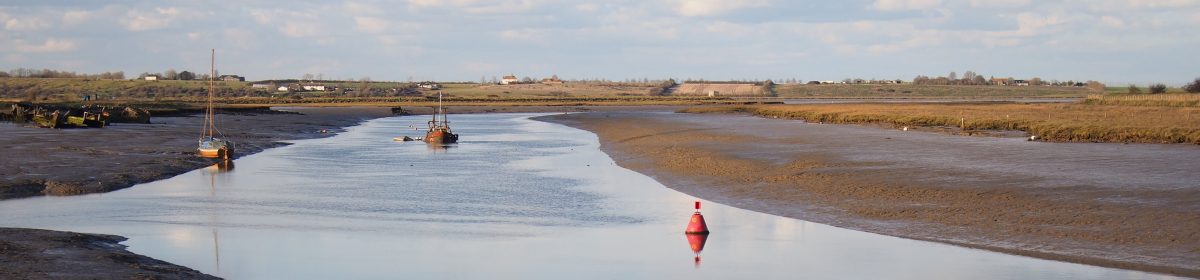
Nigel Royall’s Broads gun punt

[ad name=”intheboatshed-post”]

broads, punt, gun punt, sailing boat, rowing boat, plywood, royall, boatyard, broadland, gun, gun punt, nigel royall

broads, punt, gun punt, sailing boat, rowing boat, plywood, royall, boatyard, broadland, gun, gun punt, nigel royall broads, punt, gun punt, sailing boat, rowing boat, plywood, royall, boatyard, broadland, gun, gun punt, nigel royall broads, punt, gun punt, sailing boat, rowing boat, plywood, royall, boatyard, broadland, gun, gun punt, nigel royall

broads, punt, gun punt, sailing boat, rowing boat, plywood, royall, boatyard, broadland, gun, gun punt, nigel royall

These shots are of a 18ft by 53in gun Norfolk punt named Shoveler made by Nigel Royall, of Royall’s Boatyard at Hoveton on the Norfolk Broads, and fitted with a rig from a Coypu. My thanks go to Nigel for his permission to use them.

As a boatyard operator hiring boats to holiday-makers, Nigel’s had a few dealings with gun punts over the years and finally decided to make his own; he’s put a long post about the project on the Royall’s Boatyard weblog.

As he points out, in the old days most Broadsmen could only afford one boat, so a gun punt was not just used for wild fowling in winter. For example, they it might be used for eel picking or transporting a marshman to or from the dykes where he was employed in dredging and clearing dykes – which is called dydling and fying in Norfolk.

Nigel also explains that gun punts were open until 1824 when a Colonel Hawker introduced his new half-decked design and that the punt has hardly changed since then. Slightly different types developed at Hickling and on the River Ant and Breydon Water, but they all tended to be around 18ft with a beam of between 3ft up to 4ft, with the larger beams on the tidal water of Breydon.

They all had a long foredeck, a short aft deck and narrow side decks with low combings and 9in high sides, and they drew about 1½in of water. Where they varied was in the details of the big punt guns, such as their bore, whether they were muzzle or breach loading, and how they were restrained.

Nigel tells me that he has recently recreated eel picking, and sculling and firing a punt gun from another gun punt for a local amateur film maker, and says he was intrigued to see how it handled with an eleven foot sculling oar and a large gun on board.

My hearfelt thanks go to HBBR member Ian Ruston for tipping me off about this story, and Nigel’s entertaining and interesting weblog.

PS Check out the Nigel’s post about  the Broads pleasure wherry Solace.

If you’d like to receive a weekly intheboatshed.net newsletter sign up here.


Boatbuilding Academy student’s boat gets pride of place at the NMM

[ad name=”intheboatshed-post”]

Boatbuilding Academy staff and students are brimming with pride because graduate Marc Chivers’ full-size replica of an early 20th century pilot punt is now the centre-piece of an exhibition at the National Maritime Museum at Greenwich, London. (See more photos of Marc’s boat here.)

The exhibition, The Boats That Built Britain, explores our island nation’s intimate connection to the sea through great maritime stories from the 15th to 20th centuries, and is running in conjunction with the BBC4 series Sea Fever.

The show’s being staged in partnership with National Historic Ships and is accompanied by a series of interesting-sounding lectures – read more about the show here. It runs from the 8th May until November, and I gather a podcast interview with Marc will appear on the Museum website shortly.

The TV series is well worth watching, even if Tom Cunliffe’s somewhat presentation is at times a bit to gung-ho and even and at times a mite misleading. (British sailors had struggled to deal with Barbary pirates whose ships went well to windward long before the Pickle see an earlier post on this issue, but TC chose to over-simplicate that point.) No doubt hyped-up presentation is the modern way and just what the production folks wanted.

These trifles apart, these shows are still well worth half an hour of anyone’s time. The Sea Fever programmes telling the story of HMS Pickle and the Matthew are on the BBC iPlayer as I write, if you can get them directly or via a proxy.

Marc’s boat, Defiant of Lyme Regis, was built as part of the BBA’s 38-week boatbuilding course. I gather Marc lives just a few miles away from us in Kent – so I must try to meet him some time. His website, which includes the story of how he transported Defiant to the exhibition, is at http://www.marcsboats.co.uk.

Particular thanks to Emma Brice at the BBA at Lyme for the story and photos.

Start receiving the weekly intheboatshed.net newsletter: sign up here

Fowey River dinghy no 56 built by Marcus Lewis hits the water

[ad name=”intheboatshed-post”]

fowey river dinghy, fowey, clinker, boatbuilding, sailing dinghy, cornwall, marcus lewis, wooden boatbuilder, cornwall

fowey river dinghy, fowey, clinker, boatbuilding, sailing dinghy, cornwall, marcus lewis, wooden boatbuilder, cornwall fowey river dinghy, fowey, clinker, boatbuilding, sailing dinghy, cornwall, marcus lewis, wooden boatbuilder, cornwall fowey river dinghy, fowey, clinker, boatbuilding, sailing dinghy, cornwall, marcus lewis, wooden boatbuilder, cornwall

fowey river dinghy, fowey, clinker, boatbuilding, sailing dinghy, cornwall, marcus lewis, wooden boatbuilder, cornwall fowey river dinghy, fowey, clinker, boatbuilding, sailing dinghy, cornwall, marcus lewis, wooden boatbuilder, cornwall fowey river dinghy, fowey, clinker, boatbuilding, sailing dinghy, cornwall, marcus lewis, wooden boatbuilder, cornwall

fowey river dinghy, fowey, clinker, boatbuilding, sailing dinghy, cornwall, marcus lewis, wooden boatbuilder, cornwall

Don’t you love the bunting? Fowey boatbuilder Marcus Lewis has just completed this new Fowey River dinghy, which was launched at the end of April. She’s number 56 in the class.

The new boat is built of spruce planking with a mahogany top strake, steamed oak timbers and mahogany seats, centre-box and gunwhales. She’s copper rivetted thoughout and finished with Blakes clear woodsealer and International varnish. Her sails and cover were made locally by Mitchell Sails of Fowey.

The photos show the boat during build, the happy owner – and the boat sailing and looking good last weekend.

For more intheboatshed.net posts featuring Marcus’s work, click here.

Marcus Lewis can be contacted at Fowey on telephone 07973 420568 and email marcus@fowey9.freeserve.co.uk.

Start receiving the weekly intheboatshed.net newsletter: sign up here