Dutch barge Jantje’s sails throw up a question

[ad name=”intheboatshed-post”]

Jantje Foresail with Mount Vernon cotton duck stamp

Jantje Jakob Miller preparing the foresail to be hoisted to the loft

Regular correspondent Hans-Christian Rieck of the Graf Ship Association based at Nordhorn in Germany has been in touch to ask about a stamp on one of sailing tjalk Jantje’s sails. For more on Jantje, click here.

‘Dear Gavin,

‘Now as the winter is approaching there is time to do bits and pieces of work which had bee put aside during summer. Just recently we unfolded Jantje’s sails, looking for places where they may be ripped, airing them and so on. On the photo you can see our mate Jakob preparing the foresail to be lifted to the sail loft.

‘What we have are two mainsails, a big one that is obviously relatively newer, and an older one that is smaller and made of linen.

‘Also there are two foresails, a light brown one and a real heavy white one, both from cotton. Maybe the reders of intheboatshednet can help us, because on the white one is a stamp which reads: Mt. Vernon Extra Cotton Duck 84 Yds No 1. Obviously that is a hint to the source of the sailcloth and obviously it came from an English speaking country.

‘The sails are now stored on the loft and will be hoisted in spring. We had a report on Jantje in the Dutch magazine Schuttevaer where we asked for help in finding out about the origins of Jantje. That was a real success we came in contact with lots of Dutch chaps who knew bit and pieces of Jantjes life.

‘So we know now that she was built at the shipyard of the Niestern Brothers in Delftzijl in 1923, and was their number 156. Later she worked in the potato trade.

‘Also we came in contact with the sister of the late Mr Struik, the previous owner. She wrote that she was pleased with the way the ship looks now and she is willing to give us every help we need to bring light into the parts of Jantjes life which still lay hidden.

‘Yours

‘Hans-Christian’

Thanks Hans-Christian! Googling using the English-language version of the site reveals a Wikipedia page revealing that Mount Vernon Mill in Maryland, USA was once a leading manufacturer of cotton duck.

Just hours to save Standard Quay?

[ad name=”intheboatshed-post”]

Standard Quay, Faversham

Please pass this on to friends as fast as you can – there’s no time to lose!

Stop pressclick here for the latest news on this development

Standard Quay in Faversham is a busy part of the old town – the boatyard there is currently busy restoring the famous old barge Cambria, for one thing. Click on the picture above to learn more.

But now it’s said that Swale Borough Council is considering allowing the developers in – and they want to turn it into a restaurant area and housing, and that there’s a big meeting about the issue this Thursday.

No doubt there’s serious money behind the project, but this sounds very much like the wrong project for the town, and for everyone who loves Faversham Creek and Standard Quay the way they are.

One of my concerns is that if they bring in developers to sponsor housing, restaurants and the rest, it won’t be long before the traditional maritime activities will be the subject of complaints about noise and general untidiness. Even traditional and historic industrial activities such as boatyards and yuppie flats rarely make happy close neighbours.

I understand the shipwrights, the shipwright apprentice scheme and the blockmaker who currently operate from the listed quayside workshops restoring traditional vessels are already planning to leave, as they believe they have no other choice. That’s a great shame, because there is  demand for the skills and facilities Standard Quay currently offers.

This website includes a trailer for a beautiful and atmospheric film about this part of Faversham Creek.

If you know the area or are concerned that this important area of the town might be lost, please contact the relevant councillors now – their contact detail are in the News section of the The Quay website above.

Standard Quay sign Standard Quay big building

Photos provided by Standard Quay film maker Richard Fleury

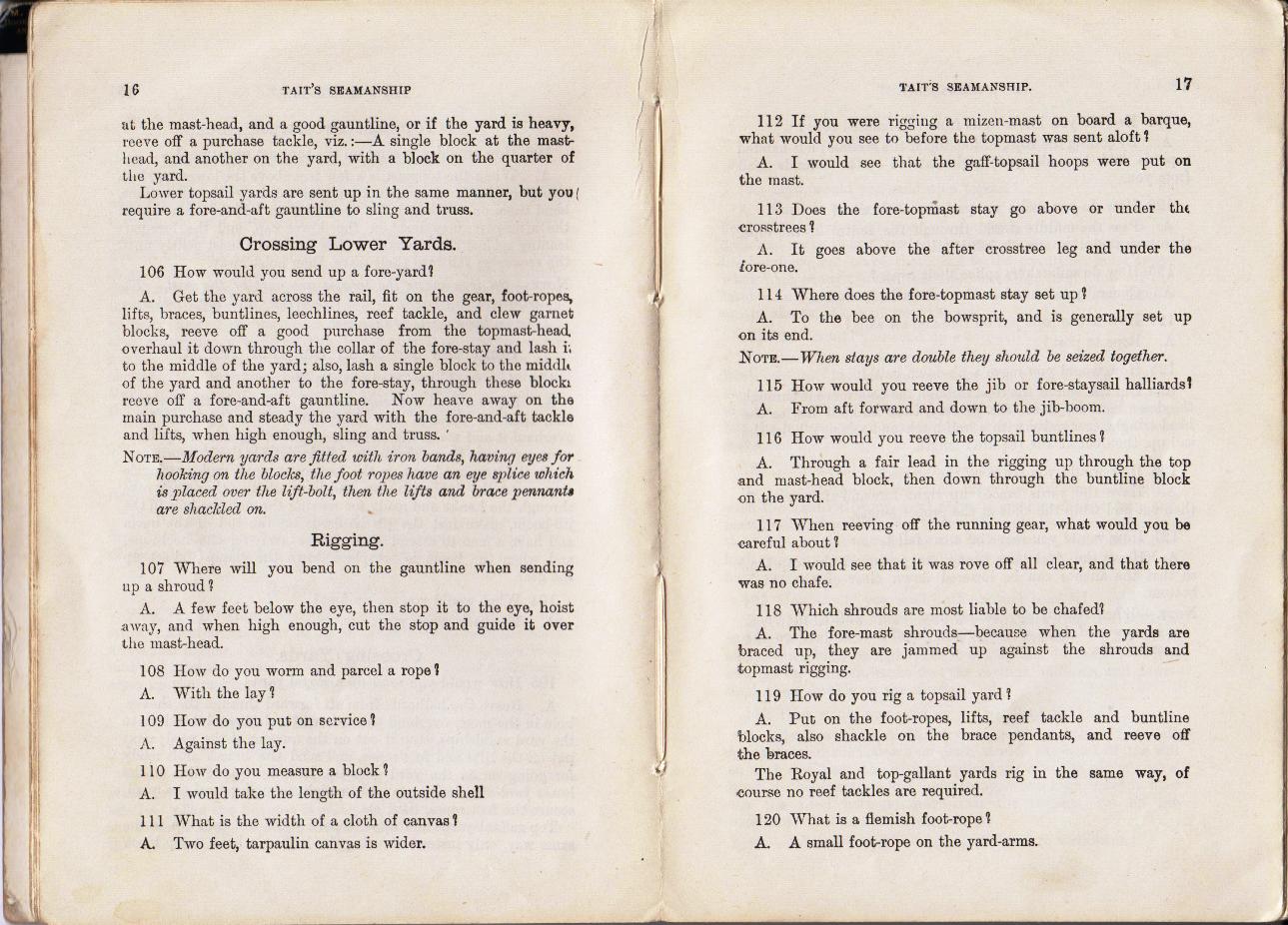
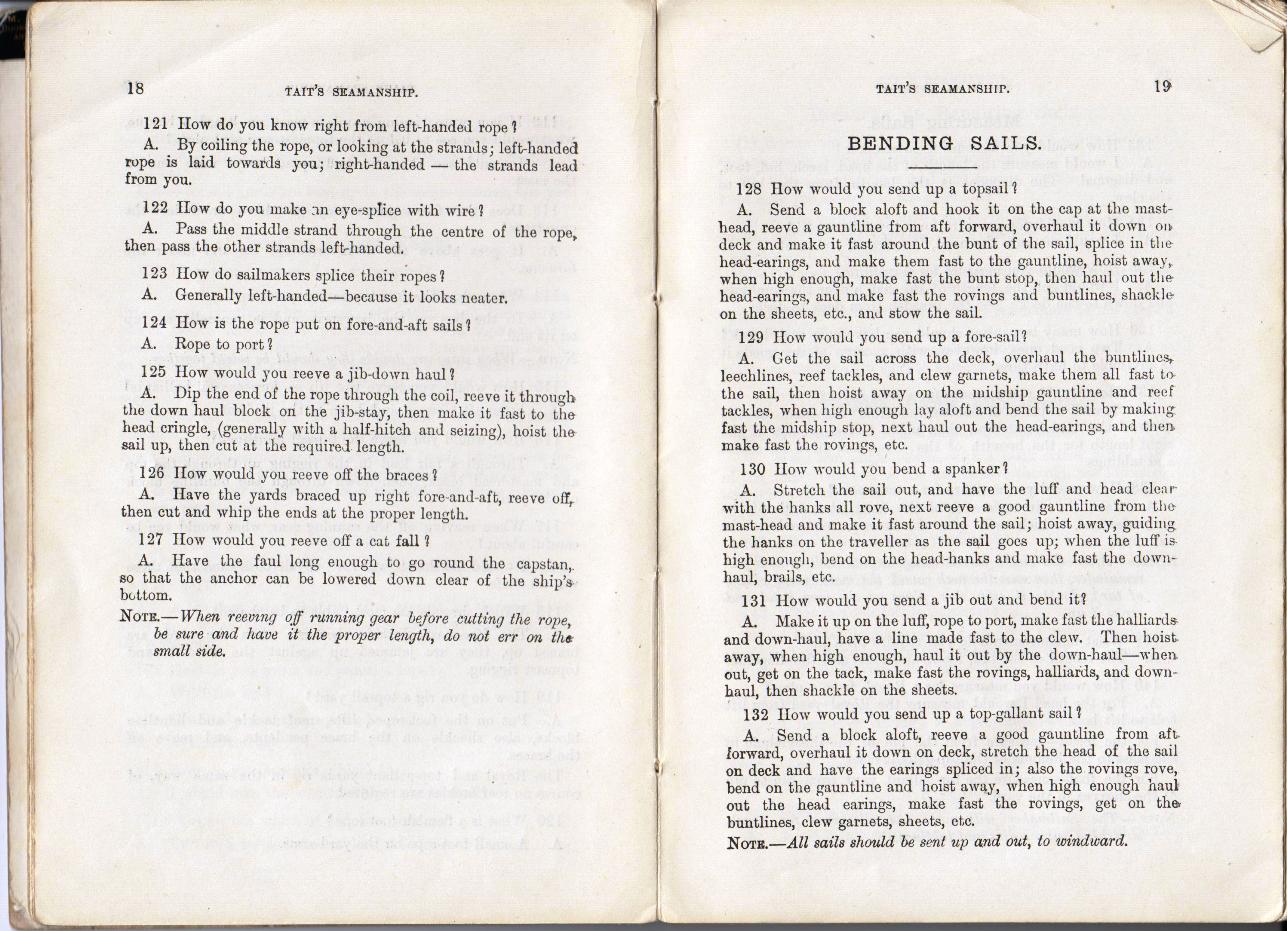
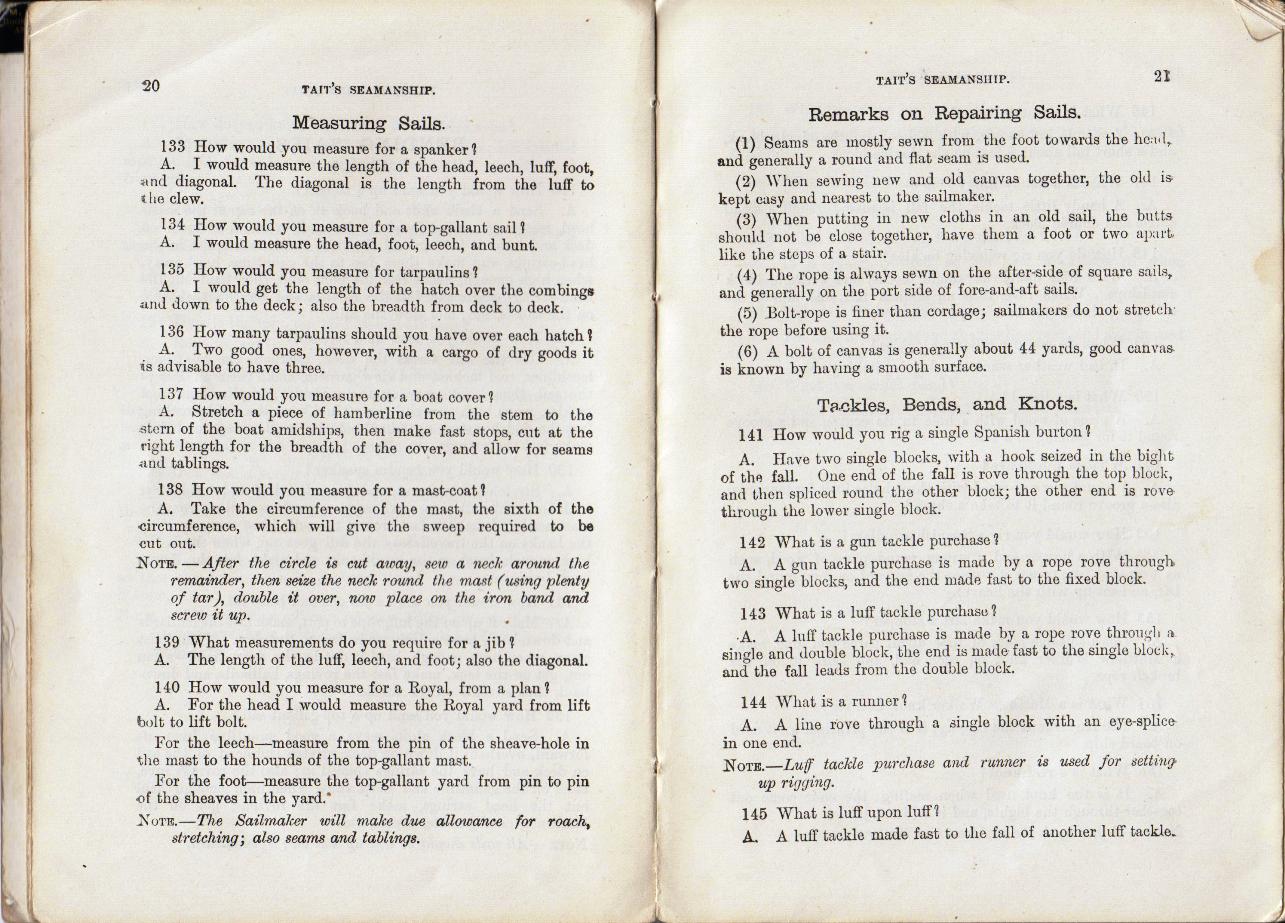
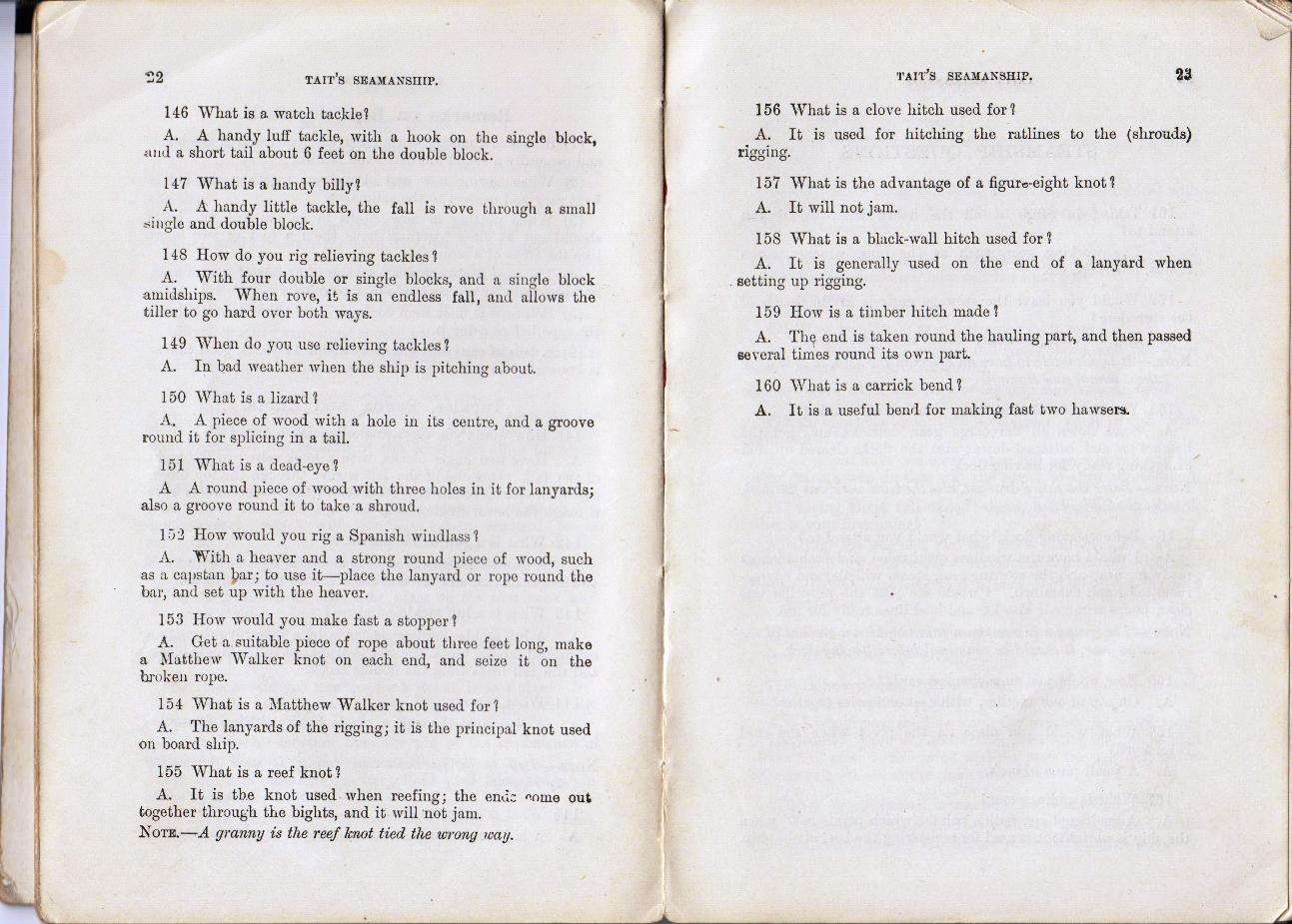
Tait’s Seamanship, or how to sail a ship, part II

[ad name=”intheboatshed-post”]

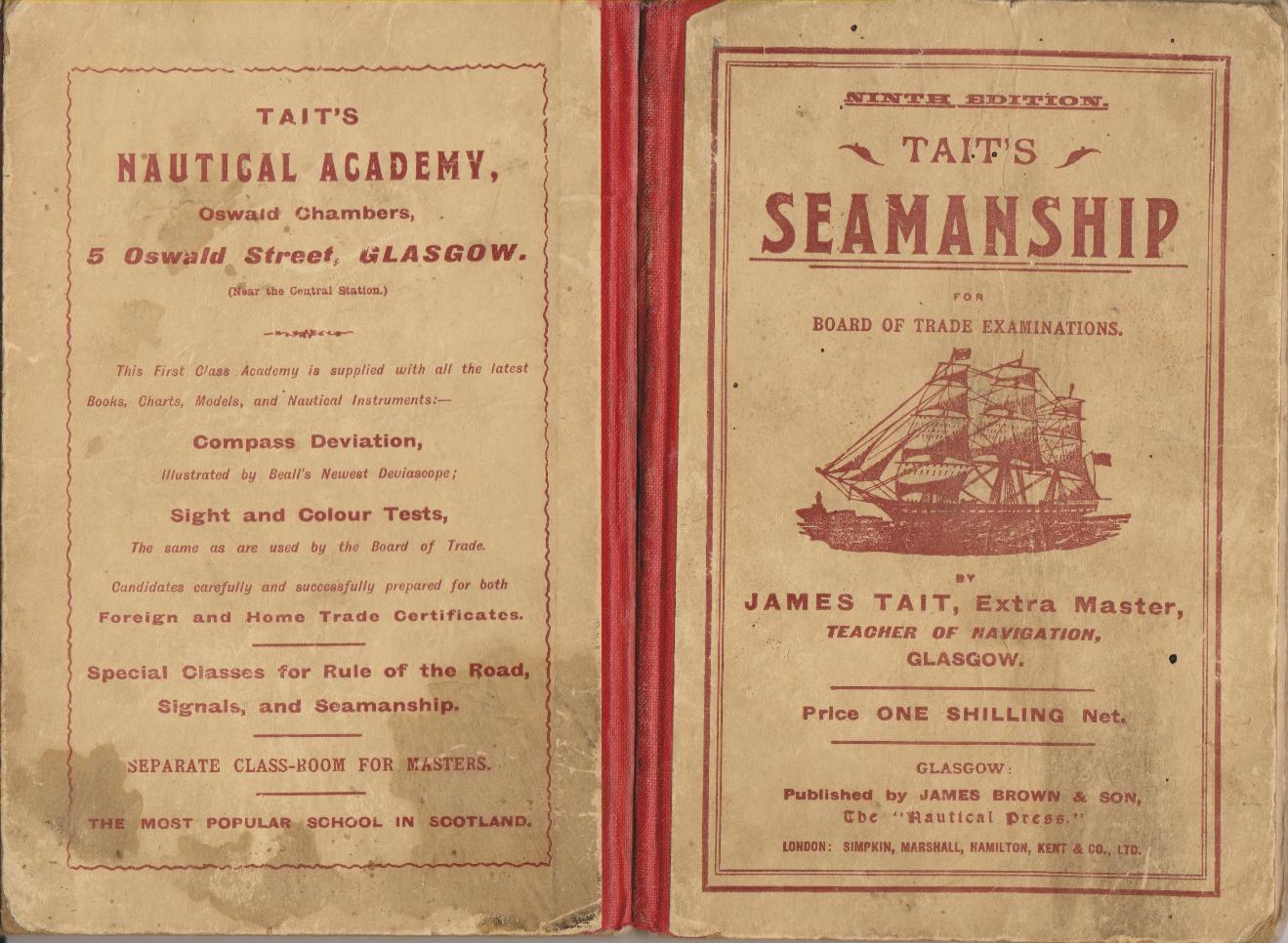
Tait's Seamanship 1913 Cover

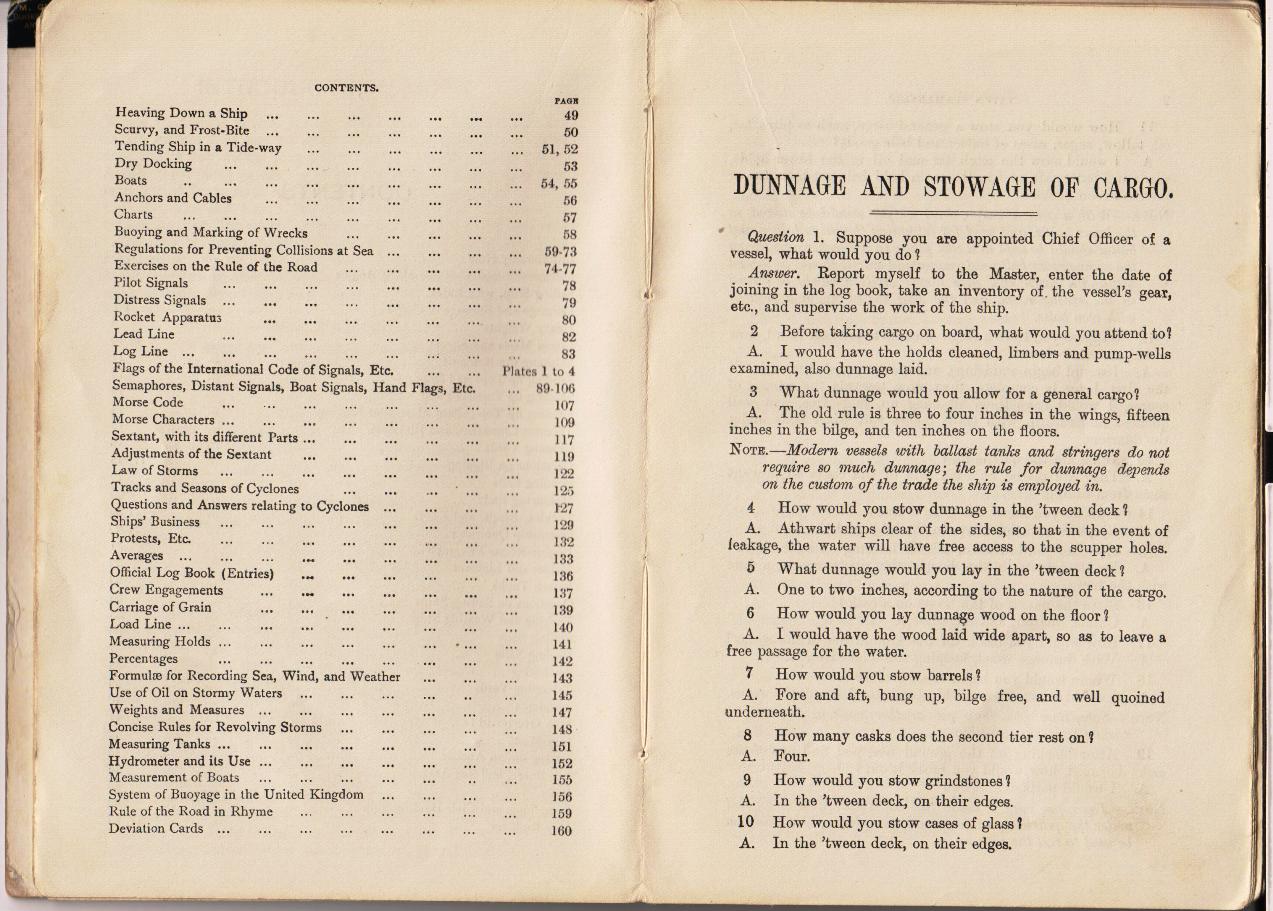
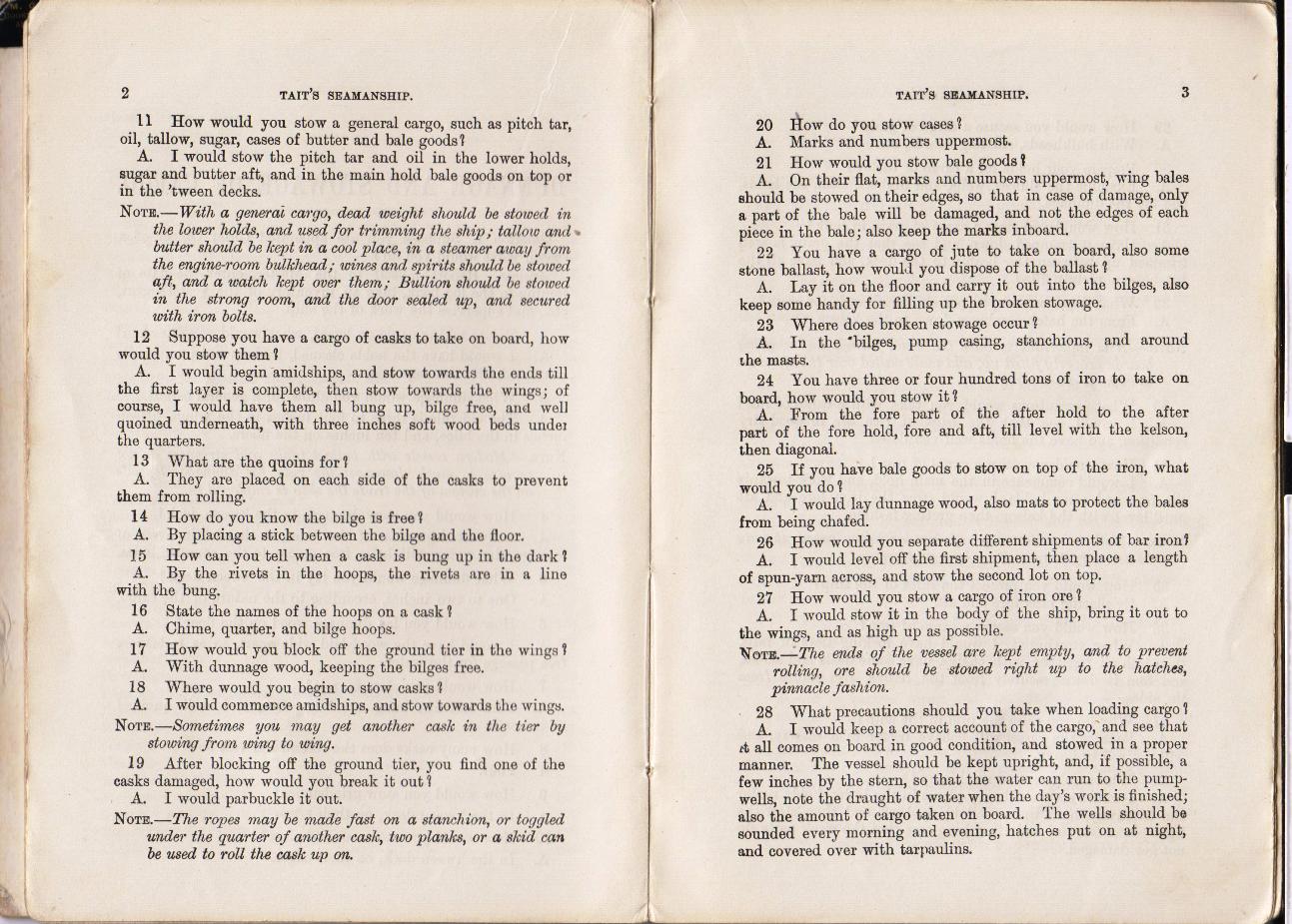
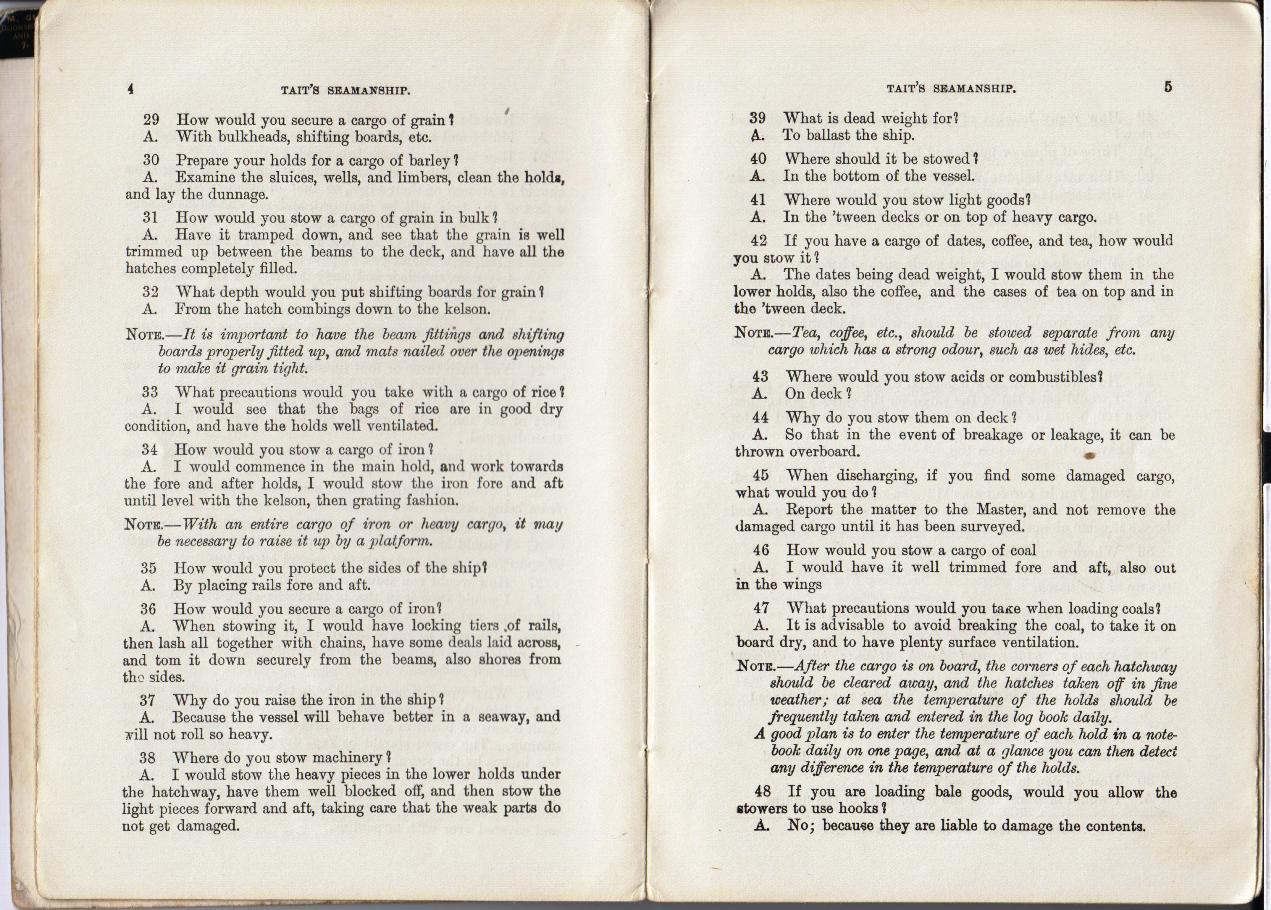
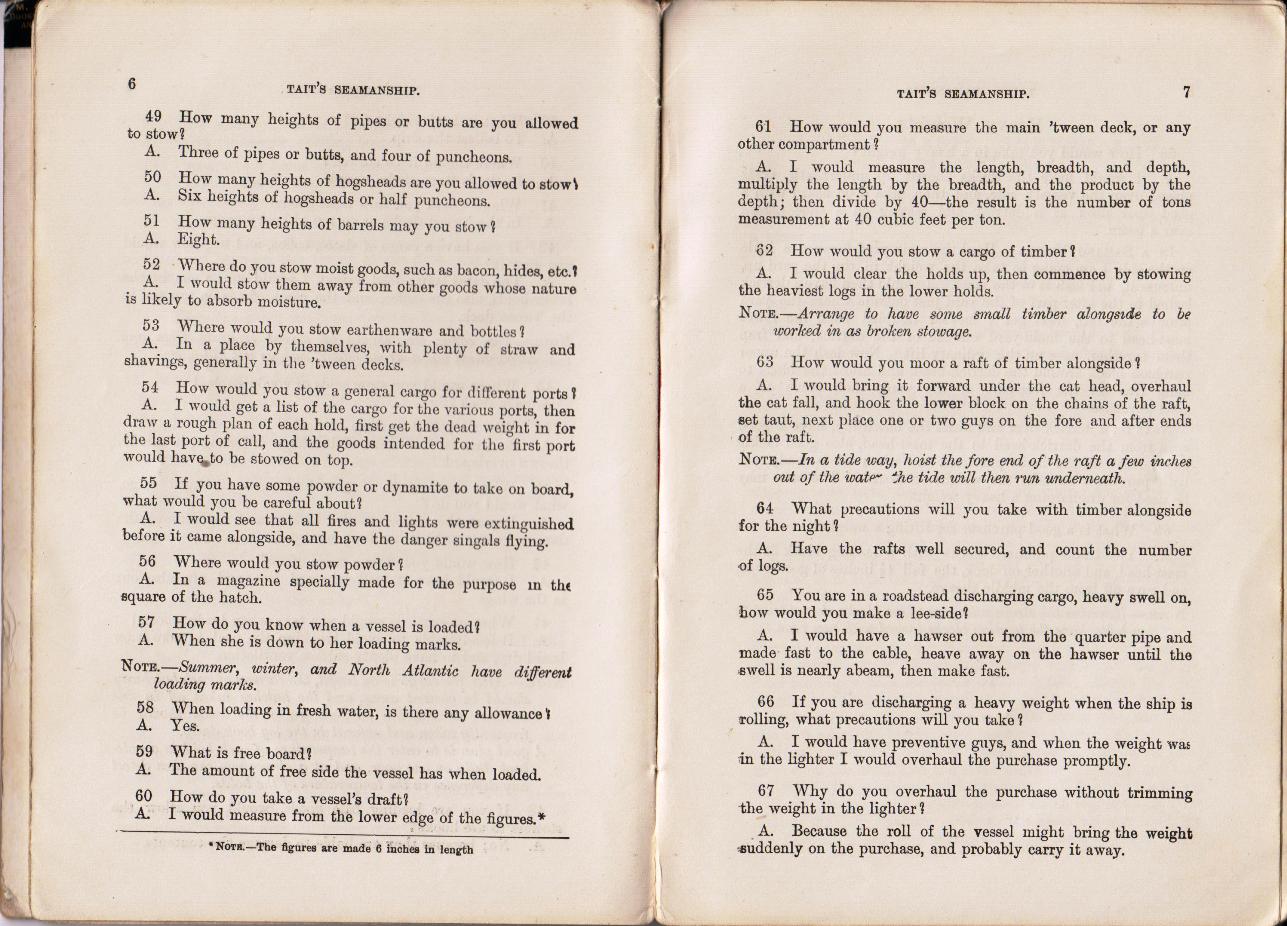
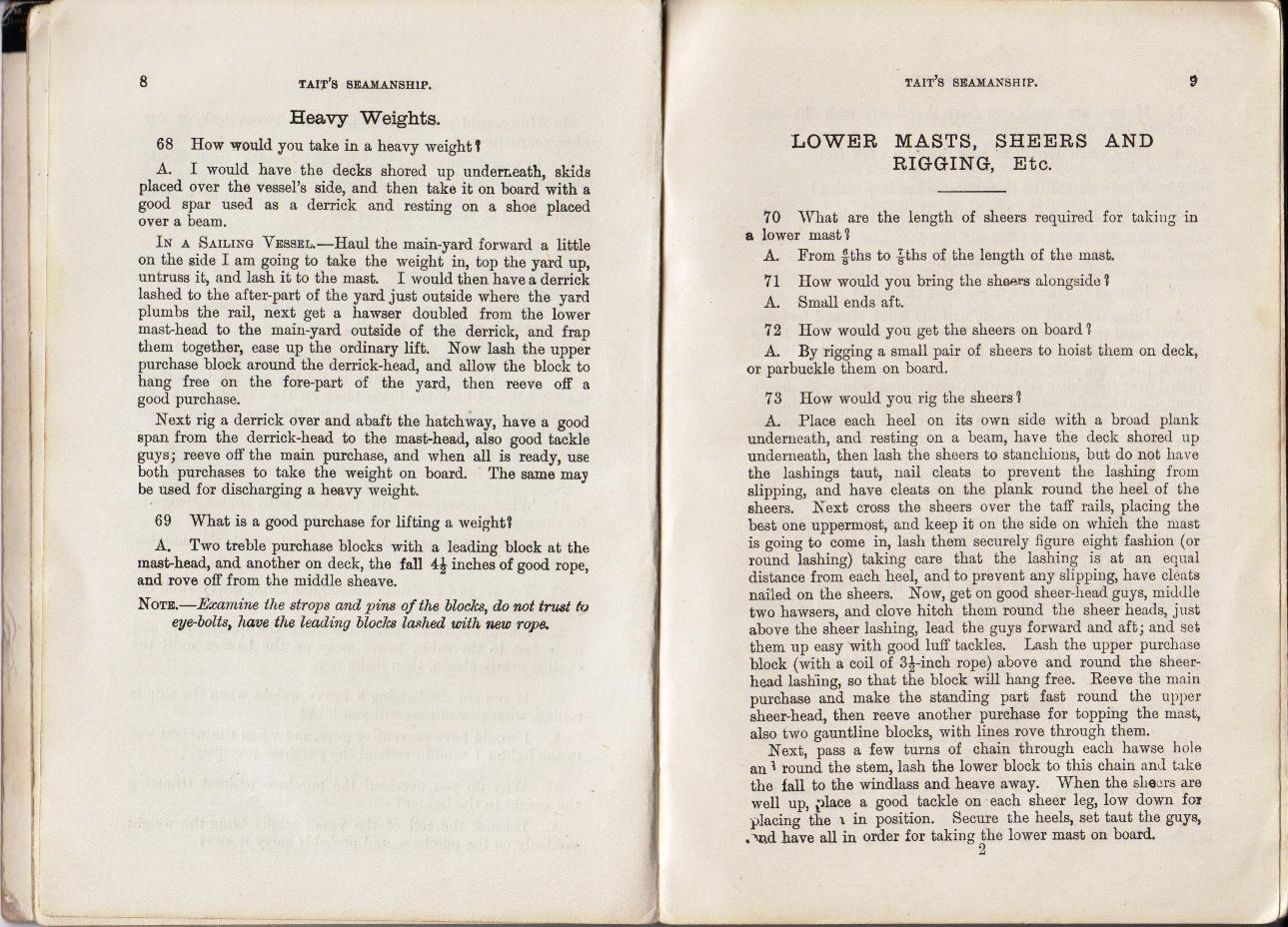
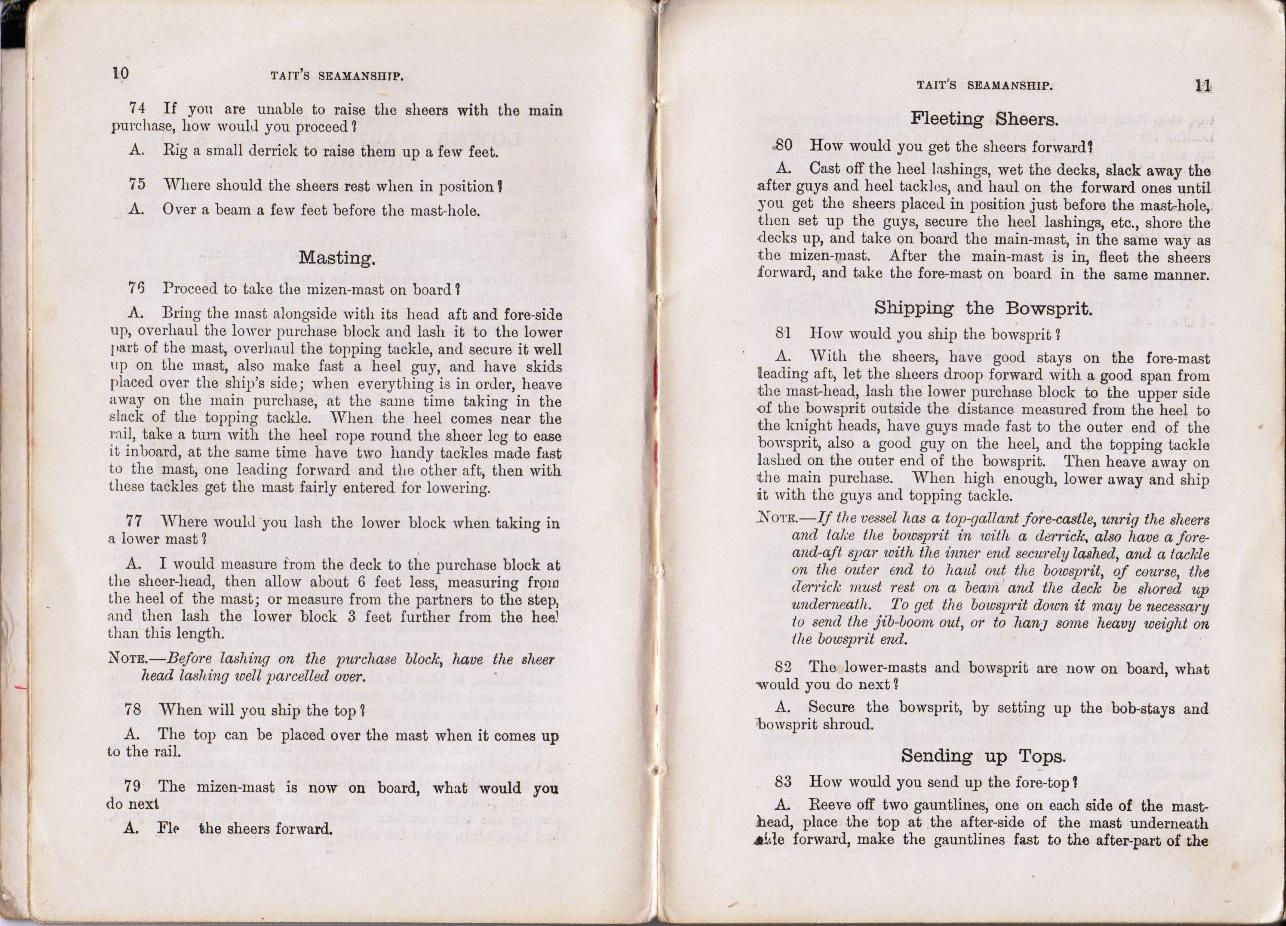
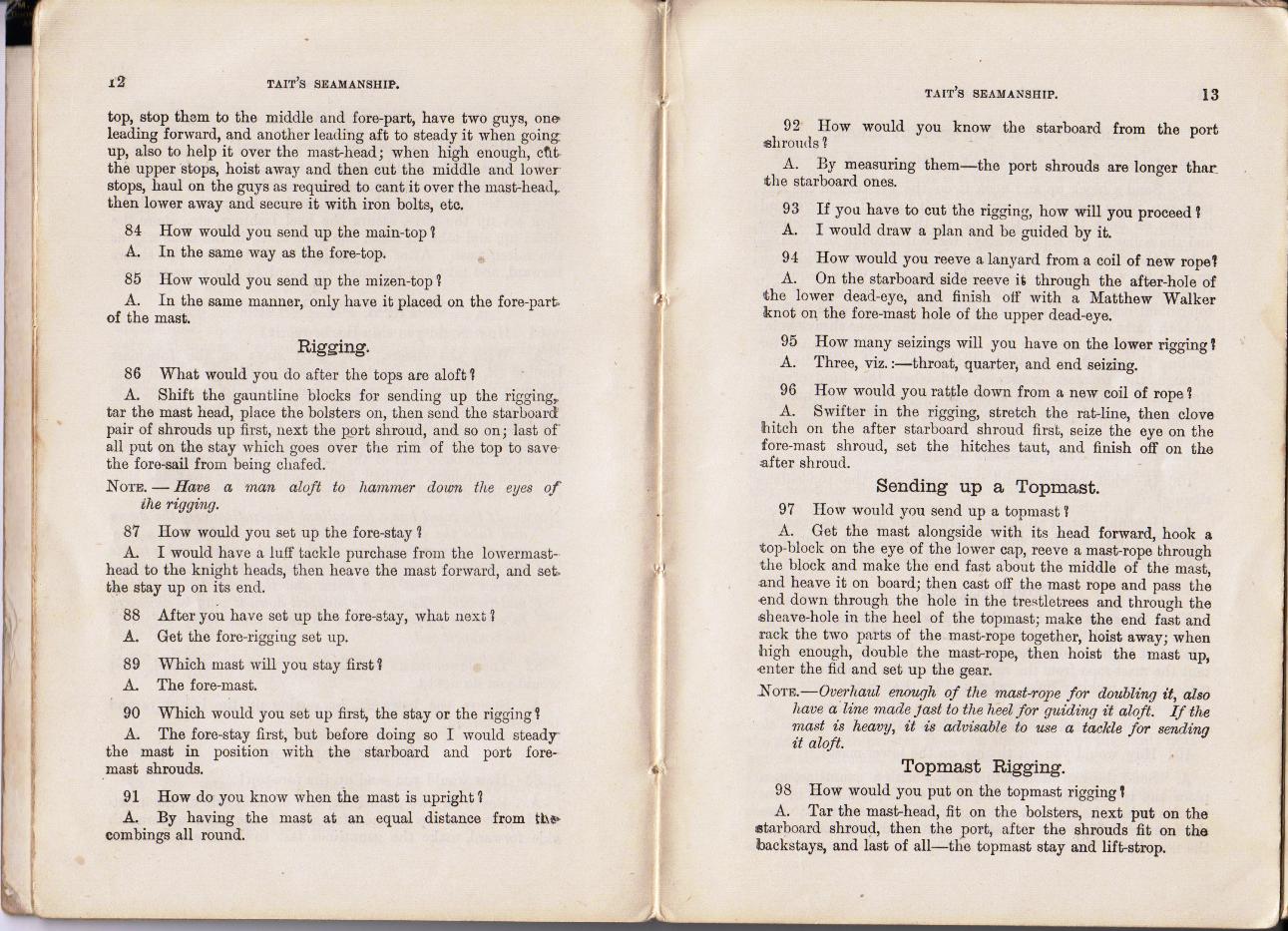
This is an intersting example of the traditional question and answer format used in training seamen. As usual, click on the images for a readable scan. The first instalment of Tait’s Seamanship is here

Tait’s seamanship, or how to sail a ship, part II Tait’s seamanship, or how to sail a ship, part II Tait’s seamanship, or how to sail a ship, part II

Tait’s seamanship, or how to sail a ship, part II Tait’s seamanship, or how to sail a ship, part II Tait’s seamanship, or how to sail a ship, part II

Tait’s seamanship, or how to sail a ship, part II Tait’s seamanship, or how to sail a ship, part II Tait’s seamanship, or how to sail a ship, part II

Tait’s seamanship, or how to sail a ship, part II Tait’s seamanship, or how to sail a ship, part II Tait’s seamanship, or how to sail a ship, part II