Good Wood Boat clinker built dinghies at this year’s Beale Park Boat Show

Good Wood Boat Redwing

Good Wood Boat Tideway Good Wood Boat stripping varnish

Good Wood Boat will be showing two clinker built dinghies – a new National Redwing and a restored Tideway – at the 2011 Beale Park Boat Show.

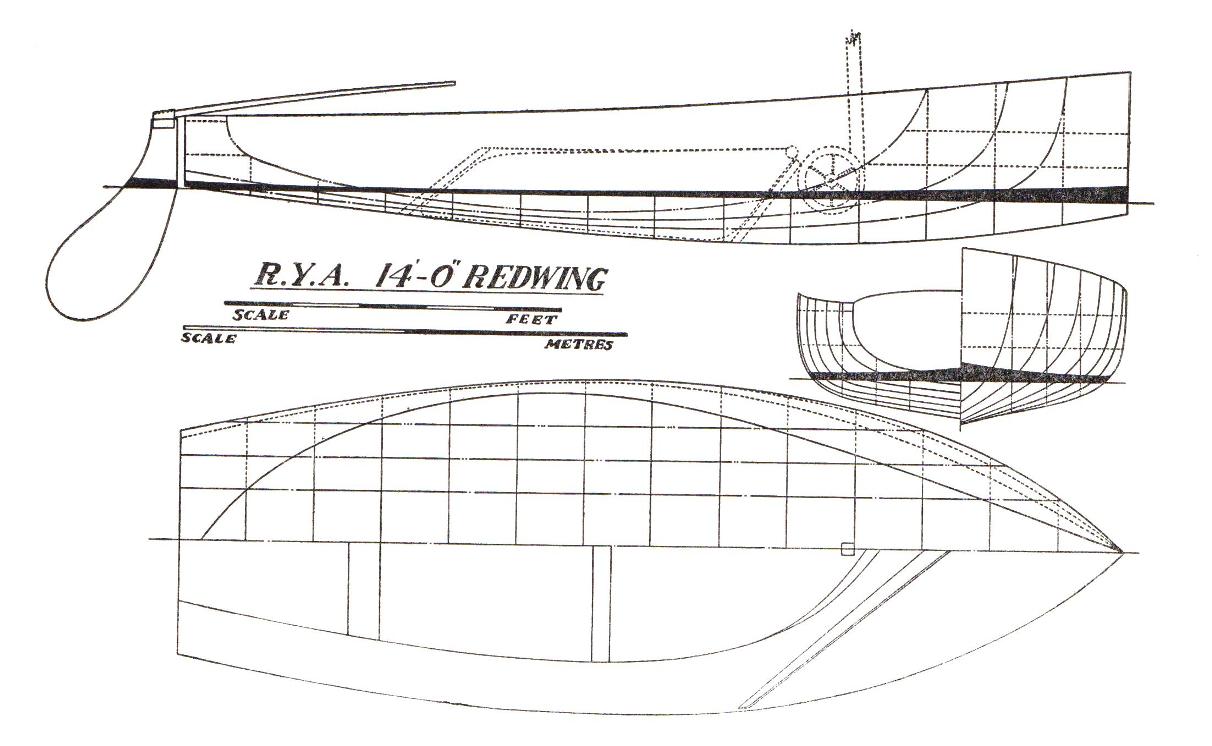
Redwing R249 designed by Uffa Fox in 1938 was built by Good Wood Boat in 2009, and won the 2010 RYA Volvo Dinghy Show London ‘Concours d’Elegance’ trophy. She is being offered for sale at the show.

She was recently prepared for and exhibited at the 2011 RYA Volvo Dinghy Show in London and with her brand new, unused sails, she is in pristine condition and can be considered ‘as new’. She is offered for sale at an ex-demonstrator price of £14995 –  is £3000 less than the price of a new Good Wood Boat Redwing of this specification.

The boat is ready to race, and comes complete with measurement certificate, trapeze and buoyancy bags, and of course is race-measured.

Tideway TW233 recently restored by Good Wood Boat will also be on show to promote the company’s traditional wooden boat repair, restoration and refinishing services, which now include a clinker boat varnish stripping service.

Good Wood Boat Co is also licensed to build new wooden Tideway clinker dinghies.

Stephen Beresford of Good Wood Boat can bbe contacted at tel 07934 622013 and email  info@goodwoodboat.co.uk.
The Redwing sailing dinghy explained

Redwing dinghy scan

Redwing dinghy

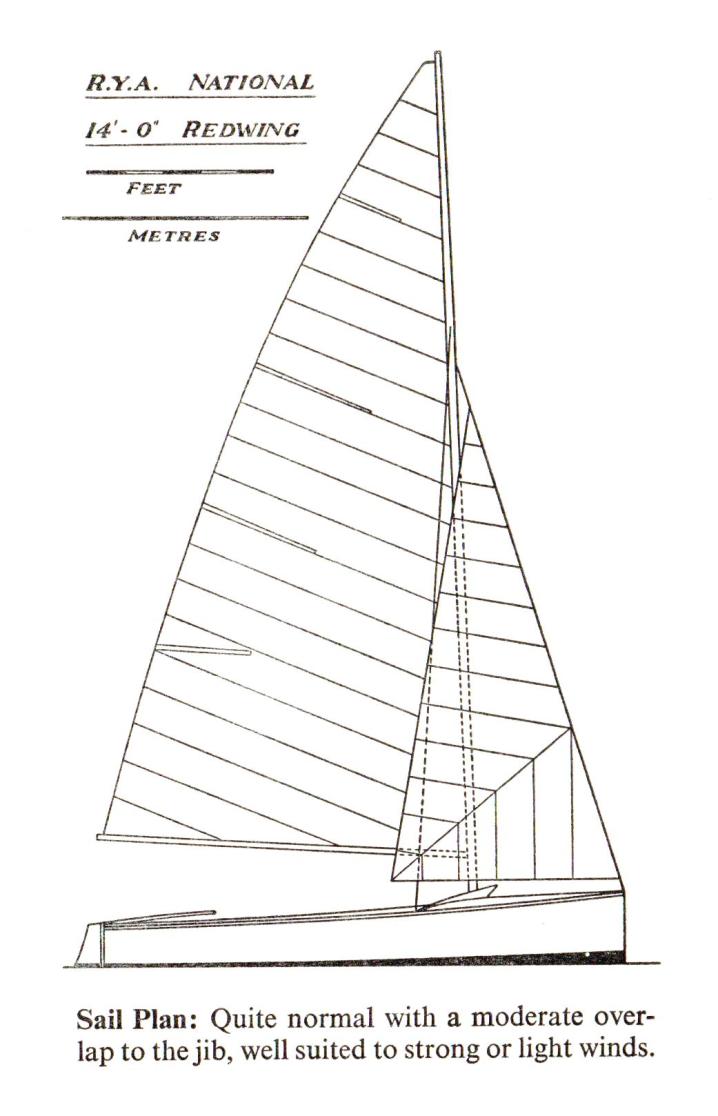
Jeff Cole asked about the Redwing dinghy that featured in a post a couple of days ago. The Redwing is an Uffa Fox design created for sailing off the Cornish coast, and seems to have been designed for Looe Sailing Club.

‘Having enjoyed and endured the tumbling seas off the Cornish coast I was in full agreement with the Commodore of the Looe Sailing Club when he outlined the type of 14-footer he would like designed for their turbulent waters, and delighted at the prospect of designing such a boat,’ wrote Fox many years later in his book Sailing Boats.

What the good commodore got was a classic Fox hull with a clean run and a waterline stretched to the maximum, but with good freeboard, half-decked and with a substantial breakwater designed to cope with the rough and tumble of the local sea. In those days it also had a 132lb iron drop keel with a 5ft draught, though I gather that today it’s more likely to be of wood.

Renamed the West of England Redwing, the design became popular and was adopted as a national class by the RYA.

Not surprisingly, given its features and design aims, the boat gained a reputation for seaworthiness and for speed in strong wind conditions.

In the book Sailing Boats, Fox describes the results of the 1958 Cross-Channel Race which included a Redwing.

‘The Redwing Nimbus had sailed remarkably well. She had beaten boat for boat 16ft 6in Hornets, 17ft 6in Ospreys, all the Merlin Rockets except one, 16ft Snipes, 16ft 6in 5.0.5s, 15ft Finns, Albacores and Swordfish. She had sailed so well that world renowned sailor Beecher More was so impressed by the Redwing’s performance that he was certain that a mistake had been made, and when the committee re-checked their figures they found this was so and announced the Redwing Nimbus the winner… ‘

And finally he becomes completely misty-eyed about his handsome baby:

‘She is an outstandingly brave little boat, from which one can learn that the sea is to sail upon, in a boat in which we can enjoy the sea in all its moods and not fear it if there is a hatful of wind.’

For more posts featuring Uffa Fox, click here.

Early hydroplane, foy boat Ethel and 1956 Enterprise join NMMC ‘flying boats’

Early hydroplane Defender II on the move

Early hydroplane Defender II Foy boat Ethel ramp screen image Enterprise No 2 Speedwell

Early hydroplane Defender II, foy boat Ethel, Enterprise 2

Three new ‘flying boats’ at the National Maritime Museum Cornwall in the past week are Enterprise no 2, a Tyne foy boat and an early hydroplane.

Named Speedwell, the Enterprise was built in 1956. It was designed by the prolific Jack Holt using what was then an exciting new material – waterproof plywood.

Ethel is a River Tyne foy boat built in 1907. Foy boats have been associated with the rivers of Britain’s north east coast for at least three hundred years. Their main task was to tow sailing vessels in and out of the river estuaries during periods of calm or contrary winds.

Under sail the performance of the Foy boat was not exceptional, but under oar it was a different matter – they were excellent rowing boats.

Defender II was built in 1908 for Fred May and was one of the first of a new breed of power boat now classified as an unstepped hydroplane. The boat’s hull is fairly conventional at the bow, but almost immediately flattens out, becoming virtually hollow at the stern. This allows the boat to sit on top of the water when under power, reducing drag and increasing speed. When first built Defender II reached a top speed of 14 knots, an impressive speed at the time.