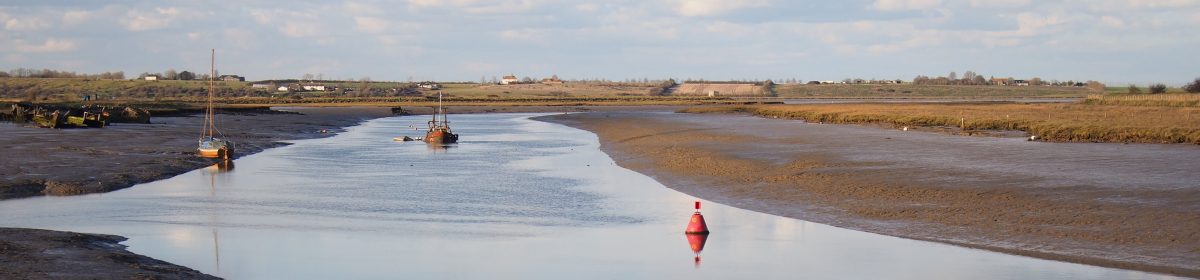
The History of Faversham Creek by Arthur Percival

Oare Creek above the bridge 1905

Postcard showing ships and boats in Oare Creek above the bridge in 1905 – for more postcards of the area belonging postcard collector Gary Vaughan, click here 

The Faversham Creek Trust has been publishing instalments of an excellent updated short history of Faversham Creek over the past few weeks – see it here:

The History of Faversham Creek by Arthur Percival
 – the background to Percival’s history and the streams that feed the Creek
The History of Faversham Creek by Arthur Percival – Part 2
 – the mystery of the sea level, membership of the Cinque Ports in the 10th century, and the market founded in the 11th century
The History of Faversham Creek by Arthur Percival – Part 3 – the story of Stonebridge Pond
The History of Faversham Creek by Arthur Percival – Part 4 – businessman Henry Hatch provides money to build a sluice in 1558 to flush silt from the Creek, and the town flourishes
The History of Faversham Creek by Arthur Percival – Part 5 – more about the growth of trade along the Creek
The History of Faversham Creek by Arthur Percival – Part 6 – the port Faversham responds to competition from the railway by straightening its entrance
The History of Faversham Creek by Arthur Percival – Part 7 – the gunpowder works and the swinging Sluice Bridge
The History of Faversham Creek by Arthur Percival – Part 8 – decay of trade, and how the swing bridge came to stop swinging

PS – In the comments below Patrick has drawn our attention to a fabulous YouTube video about the history of Faversham Creek. It includes some splendid footage of the famous sideways launch and some authentic voices…

Mike Smylie’s Herring: a History of the Silver Darlings is now in the shops


Mike Smylie Herring - A History of the Silver Darlings

Fishing historian Mike Smylie’s latest book Herring: A History of the Silver Darlingsexamines the effects of herring and the herring trade on the communities who catch them over the past 2000 years, including the way of life, superstitions and of course their boats.

Herring’s importance to the coastal peoples of Britain cannot be measured – at one time tens of thousands were involved in catching, processing and selling the fish from Stornoway to Penzance, and many towns on Britain’s East Coast grew rich as a result. In Herring: a History of the Silver Darlings Mike also explains the natural history of the herring and even includes recipes including baked buttered bloaters, salmagundy and super sgadan.

Also known as Kipperman, Mike Smylie has been researching the history of the herring for nearly 30 years. He has also written extensively on fishing vessels and the fishing industry, including the books Fishing the European Coast, Fishing Around the Bristol Channel and Fishing Boats of Cornwall published by The History Press. He often appears at maritime festivals smoking herring for the public.

A remarkable history of the slave trade

Slave canoe of the 1840s

Slave canoe drawing from The Illustrated London News, 1849; image reference EO22, as shown on www.slaveryimages.org, sponsored by the Virginia Foundation for the Humanities and the University of Virginia Library. In West Africa, these canoes were the main vehicles for transporting slaves from the coast to transatlantic vessels. According to The Illustrated London News, the canoes could carry 200 slaves, and were said to be 40ft long, 12ft 7-8ft deep


Intheboatshed.net regular Ed Bachmann has drawn my attention to the Transatlantic Slave Trade Database website, and the recently published prize-winning book Atlas of the Transatlantic Slave Trade.

The database provided the basis for the atlas in which historians David Eltis and David Richardson have created a comprehensive, 350-year history of kidnapping and coercion featuring nearly 200 maps.

Between 1501 and 1867, the transatlantic slave trade claimed an estimated 12.5 million Africans and involved almost every country with an Atlantic coastline. The extraordinary online Trans-Atlantic Slave Trade Database includes records of nearly 35,000 slaving voyages, or about 80 per cent of all such voyages ever made. The maps show which nations participated in the trade, where the ships involved were outfitted, where the captives boarded ship, and where they were landed in the Americas, details the experiences of the transatlantic voyages and the eventual abolition of the traffic.

There are also illustrations and contemporary literary selections, including poems, letters, and diary entries that reveal the human story underlying the trade.

If you don’t buy the book, you can read Professor Eltis’s long essay on the website: A Brief Overview of the Trans-Atlantic Slave Trade on the website.

Thanks for the tipoff Ed!