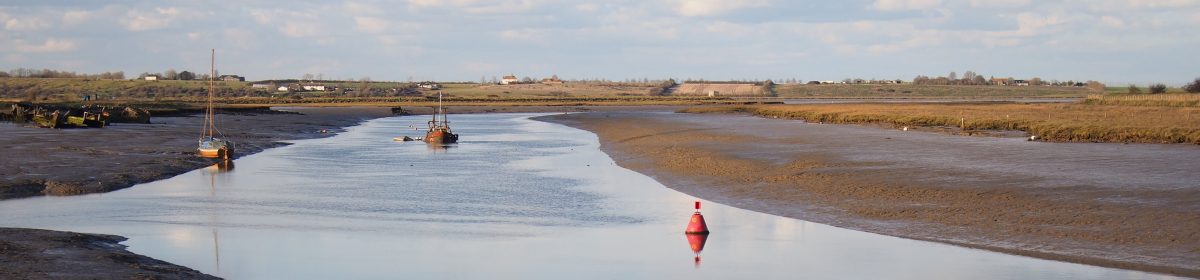

As a regular Thames Estuary mudlarking sailor, I like the look of this!
The blurb:
The Thames Estuary is one of the world’s great deltas, providing passage in and out of London for millennia. It is silted up with the memories and artefacts of past voyages. It is the habitat for an astonishing range of wildlife. And for the people who live and work on the estuary, it is a way of life unlike any other – one most would not trade for anything, despites its many dangers.
Rachel Lichtenstein has travelled its length and breadth many times. Here she gathers these experiences in an extraordinary chorus of voices: mudlarkers and fishermen, radio pirates and champion racers, the men who risk their lives out on the water and the women who wait on the shore. Estuary is a thoughtful and intimate portrait of this profoundly British place, both the community and the environment, examining how each has shaped and continues to shape the other.
An extract:
‘As the light slowly faded on the longest day of the year I sat on deck with the rest of the crew drinking bottled beers, sharing stories and watching the cityscape transform. By dusk a low mist had begun to obscure most of the buildings. The iconic dome of St Paul’s temporarily disappeared before re-emerging, floodlit, against the London skyline. Red-flashing beacons began to appear sporadically through the fog, marking the tops of tall cranes and skyscrapers. The skeletal frame of the Shard came suddenly into focus as every floor of the tall skyscraper lit up simultaneously. At the same time the beautiful gothic structure of Tower Bridge behind us was illuminated from above and below, throwing a sparkling reflection into the black waters of the Lower Pool of London – a place where so many of the world’s most important ships must have anchored at different points in time. As night fell the lights inside all the flats, hotels and offices along the riverside came on. We floated in the dark void of the river between time.
‘On the water the sounds of the city seemed altered. I could hear the distant hum of traffic on the bridge, the clatter of trains rumbling past, the constant backdrop of sirens going off but it was as if they were coming from another place altogether, not the great throbbing metropolis above. I sat and watched the vast twin bascules of Tower Bridge being slowly raised. A Thames Barge sailed silently past and drifted beneath the bridge before quickly disappearing into the shadows on the other side. On the remains of a wooden jetty nearby, I could just make out the shape of a large black cormorant standing perfectly still with its great wings outstretched.’


