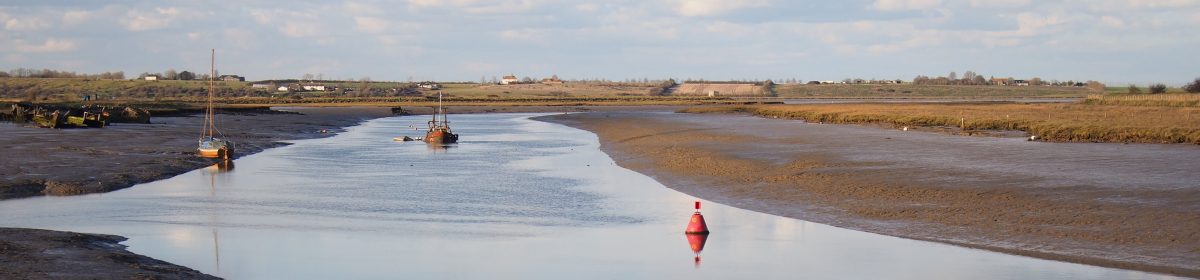
The Albert Strange Association offers a grand day out, sailing by barge from Maldon

[ad name=”intheboatshed-post”]

wyvenhoe-1-sailing

Wyvenhoe

The Albert Strange Association folks have had a brilliant idea for their annual meet – offering those who are interested the grandest of grand days out.

They’re offering up to 12 interested souls a day’s sailing aboard their own Albert Strange-designed boats, together with sailing and accommodation for a couple of nights aboard the the Thames barge Wyvenhoe – and all for the very reasonable price of £120 a head to cover the barge hire.

It all takes place on the 4-6th September, and for guests it all begins with boarding the Wyvenhoe at Maldon.

Get the information from the Albert Strange Association website.

Nick Smith motor launch Lisa at sea

[ad name=”intheboatshed-post”]

lisa-at-sea-fave-3

lisa-at-sea-fave-1 lisa-at-sea-fave-2

Lisa at the mouth of the Yealm

Nick Smith has just sent me these photos of motor launch Lisa at the mouth of the Yealm on the day she was launched. Read all about her here.

If you don’t already know him, Nick comes from Devon, learned boatbuilding the traditional way and specialises in new builds in clinker and carvel for sail, motor and rowing power from 8ft to 28ft with a special emphasis on West Country style and design, and also takes on repairs and refits from 25ft to 50ft. These days he’s based in Hampshire, and can be contacted by email at nick_smith_boatbuilder@yahoo.com and by phone on phone on 07786 693370.

The astonishing Portuguese muleta

[ad name=”intheboatshed-post”]

muletta01-1280

The astonishing Portuguese muleta fishing boat
– download a larger image here

Rooting around in my pile of old books, I found this illustration, which reminded me of a model of the muleta I saw as a boy in the London Science Museum, which has a fantastic collection of models of craft from around the world.

Here’s the blurb from the book in which I found the illustration, The Story of Sail by GS Laird Clowes and Cecil Trew. It’s well worth reading, for as well as being an interesting historical survival it seems the boat evolved for a kind of drift netting, and that the rig is a highly adjustable means of adjusting both the rate of drift and the boat’s balance before the wind as it slides gently to leeward.

It also suggests that anyone who once seens one of these boats is unlikely to ever forget the sight, and it seems to be true – even when the sighting concerned is only of a model.

Here’s a photo of the Science Museum’s model.

See illustrations of muletas and similar boats here and here.  There’s an excellent description and a small photo in a newsletter published by European Maritime Heritage. I haven’t been aware of this group up to now, but its website says it is a non-governmental organisation for private owners of traditional ships, as well as for maritime museums and other interested bodies.

Don’t miss something good. Subscribe to intheboatshed.net’s weekly newsletter.