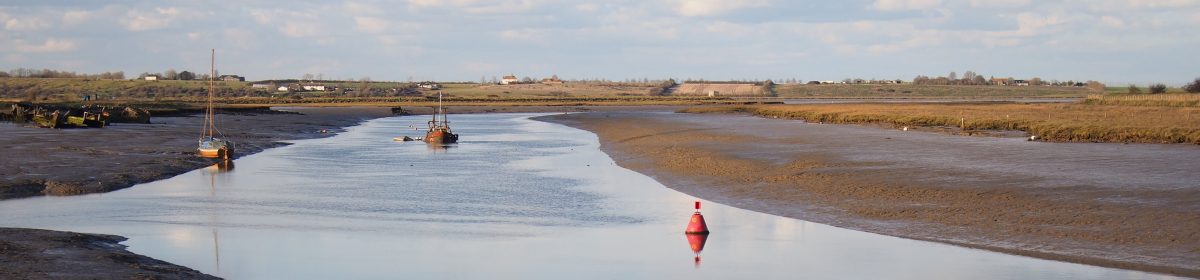
Albert Strange’s Blue Jay falls into the right hands at last

[ad name=”intheboatshed-post”]

Albert Strange Blue Jay

Bill Hitchins has big plans for Albert Strange’s Blue Jay,
despite the slight hogging in her sheer

People who care for old boats are a special breed – each one I’ve met has seemed to me to have been a mix of several key ingredients.

Along with a big helping of the romantic, they have to have a large dollop of the perfectionist craftsman about them, they must enjoy getting thoroughly dirty, and they have to be happy to take on large long-term projects that will probably seem less than sensible to most of their family and friends.

In my experience there’s usually also a sense that the boat and its inevitable problems are a kind of cross the traditional boat enthusiast is bound to bear by some law of God. After a talk about what’s going wrong, how it all has to be fixed and how it’s much simpler for owners of plastic boats, the phrase I’ve heard many times is: ‘Well, you’ve got to, haven’t you?’

I hope that Bill Hitchins, who has just bought Albert Strange’s lovely Blue Jay, won’t mind my saying it’s clear from his write up and photographs that he’s got the romance, love of dirty, practical work, craftsmanship and long-term projects bits of the mix in spades. Just take a look at the photos in this post at the Albert Strange Association website, for they show exactly what he’s taking on. Good luck to him and the boat, I say.

I think many intheboatshed.net readers will want to wish him well by adding a comment at the bottom of his post. Where would all the old boats be if it wasn’t for heroes like Bill? I think we know the answer.

For more on Albert Strange and the Albert Strange Association, follow this link.

Share this with a friend using the Share this link below.

Video of the building of a Firefly

[ad name=”intheboatshed-post”]

A link to this clip of a Pathé film about the process of making hot moulded Firefly dinghies turned up at the Yahoogroup Openboat this week. Lovely stuff!

The link itself comes from this informative but messy page of material about the Fairey Company.

Uffa Fox’s great and lasting memorial – the Airborne Lifeboat

[ad name=”intheboatshed-post”]

Uffa Fox airborne lifeboat rigged for sailing

Uffa Fox’s Airborne Lifeboat rigged for sailing – image
from Wikipedia Commons via Ian Dunster

Keith Muscott recently wrote this entertaining short history of Uffa Fox’s Airborne Lifeboat for members of the excellent Yahoogroup Openboat, and has been kind enough to give me permission to publish it here. Many thanks Keith!

‘Uffa Fox became obsessed with the notion of a ‘droppable’ lifeboat following the capture of his stepson Bobbie Sach after a ditching. His first idea was a folding boat that could be dropped straight from a low-flying aircraft. He soon realized the impracticality of this, and moved on to consider parachuting it into the oggin. It was to be made of small panels of plywood, which would be opened up by the parachutes as the whole parcel descended. Legend has it that he dropped the first model from a top floor window and converted the drinkers in the Duke of York to teetotalism when they saw it float down. Folding plywood panels were soon discarded in the light of experience.

‘That idea was dropped in favour of carrying the complete craft in the belly of a plane, which was to be an American Hudson (already in use for air-sea rescue). Subsequently they discovered that the bomb door jacks took up too much room for the boat to be carried in the bomb bay, so it was back to the drawing board to design a boat which was streamlined enough to hang outside like a torpedo without completely ruining the air flow. Uffa secured the go-ahead from Lord Brabazon, who subsequently got a rocket from those above for allowing himself to cave in so quickly under the influence of Fox’s silver tongue.

‘Uffa designed the final version one-eighth full-size, 1.5 ins to the foot, and ran off dozens of copies so that many draughtsmen could work on it simultaneously. The lines were lofted then the builders set to work: three weeks in all from pencil lines to waterlines. The hull was built with traditional diagonal planking – two layers of opposing diagonals, one straight planks fore and aft separating them, if I remember correctly. There would probably have been oiled silk or some such material between layers.

‘The test pilot in the Hudson would only fly the first test with the boat attached if Uffa went along too Continue reading “Uffa Fox’s great and lasting memorial – the Airborne Lifeboat”