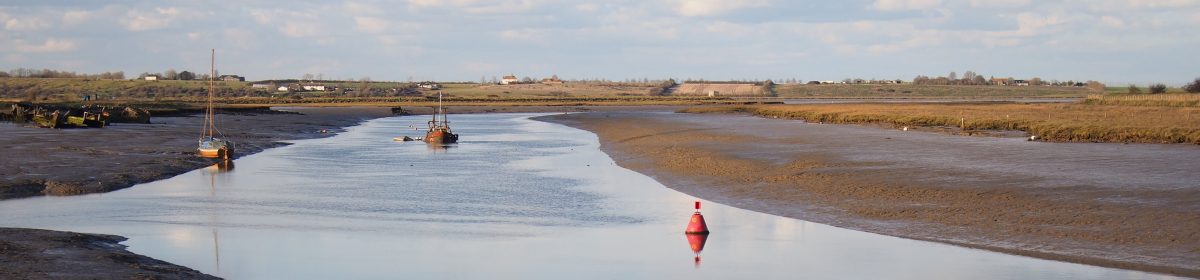
Troy number 28 Red Beryl built by Marcus Lewis is launched at Fowey

[ad name=”intheboatshed-post”]

t28launch4

t28launch3 t28launch t28-firstsail

t28firstsail3 t28-firstsail2

The launch of Troy number 28 at Fowey

Red Beryl is a new Troy class yacht, built at Fowey in Cornwall by Marcus Lewis for a customer on the other side of the river in Polruan.

Marcus has been boatbuilding in Fowey since he left school 25 years ago, and has been working in his own own workshop for six years, during which time he has built four Troys – hull numbers 23, 25, 27, and now number 28 has been named  Red Beryl.

The 18ft Troys are an important part of local sailing in Fowey, and this year they celebrate their 80th anniversary as a class. There’s a nice gallery of photos by Phil Egerton at the foweyphotos.com website, and also a history of the boats. It seems the first Troys were built for racing on Fowey Harbour in the very late 1920s and that most of the early boats are still kept in racing condition. I gather also that Troys can often be seen racing on Wednesday evenings and Saturday afternoons in the season.

The Troy name comes from Sir Arthur Quiller-Couch’s Troy Town series of novels, which are based on Fowey. Built using traditional carvel construction, they have 30ft masts supporting nearly 300sqft of sail intended to catch light winds on the estuary, which is surrounding by sheltering hills. They must to be built on the estuary in order to conform to class rules.

Marcus Lewis is based at Fowey and can be contacted on 07973 420 568.

Don’t miss something good – subscribe to intheboatshed.net!

Remembering the WWII seamen who braved Hellfire Corner bringing coal to the south

[ad name=”intheboatshed-post”]

Pill box at Rye Harbour, where seamen risked their lives
and the British feared invasion

Boating enthusiasts in the South East of England are constantly reminded about the battles that have taken place or have been expected in this corner of the country. The wartime relics are so many that almost the only time we can’t see them is when they’re obscured by foul weather.

But last night, the evening before Remembrance Sunday, I was pleased to see a repeat of the BBC Coast series programme covering the Channel Islands and Dover.

It was well worth watching as usual, but this particular transmission included an interesting segment about the brave Navy and merchant seaman of the convoys carrying essential supplies such as coal through the Dover Straits during World War II.

As every British schoolchild knows, the sea separating Britain from Continental Europe is just 21 miles wide, and so the convoys could be hit by land-based guns based in occupied France, and were very vulnerable to attack by both fast German E-boats and aircraft while passing along the coasts of Kent and Sussex.

See the programme here on the BBCi player – though I gather readers in the USA aren’t able to see this material.

There’s also an interesting summary of the big guns used by both sides at the Wikipedia.

Wooden boats by the banks of Milford Haven

Evans Boatwork specialises in building, restoring and repairing wooden craft, and is located close to Milford Marina and the commercial docks at Milford Haven, one of the deepest and most protected harbours in the world.The area is particularly interesting to yachties because it offers cruising in the Bristol Channel and the Irish Sea, and the Cleddau river, which is part of the Pembrokeshire National Park. Evans has a nice little website featuring three of its restoration projects, two of which are of particular interest: a 1960s Shetland skiff and an X boat.

http://www.evansboatwork.co.uk